

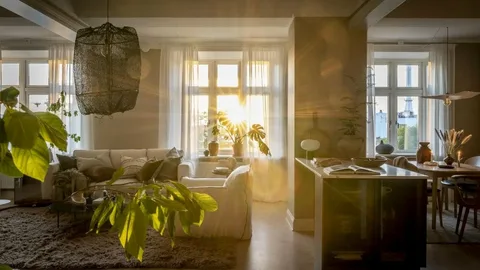
There’s a calming feeling when you walk into a room filled with natural light and warm, earth-tone colours. Minimalist design focuses on keeping things simple, but it’s the little things that make it special.
For instance, consider how sunlight looks on textured walls, how soft clay colours make hard lines fade away, and how everything has a purpose. If you are tired of clutter and want a peaceful home, start by balancing light and colour.
Natural light doesn’t just brighten a room; it completely changes it. Large windows, strategically placed mirrors, and light fabrics help diffuse sunlight throughout the space, making it feel open and airy. When you combine this with earth colours like warm terracotta, soft yellows, and muted greens, your space immediately feels grounded and peaceful.
Remember, keeping it simple is key. By picking natural materials like linen, wood, and stone, you make a home that feels sophisticated and full of life.
Want to create a peaceful retreat in your home? Let’s discuss how to incorporate light and earth tones to achieve a minimalist style.
A Quick Look at Minimalism
Minimalism is more than a fad; it’s a method for creating spaces that are relaxing and useful. When planning simple interiors, consider the following ideas.
Space
In a simple room, space is essential. Open floor plans make a room feel spacious and peaceful. Space is helpful because it helps you relax.
Lines That are Simple and Clear
Lines in simple design are usually straight and basic. Each line guides your eyes calmly. It’s all about balance.
Function
Each item in a simple room should have a job, maybe more than one. A bench that stores items or a table with drawers demonstrates the importance of this function. You are creating a working room.
Clean Surfaces
Simple designs need clean surfaces. This doesn’t mean boring. It means surfaces are free of things, which lets textures and light stand out. Natural colours look better without clutter.
The Magic of Natural Light
Natural light does more than just brighten a room; it animates it. In minimalist designs, where every choice matters, light quietly contributes to the overall feel. It makes simplicity stand out, showcases textures, and connects the inside with the outside. When planning a minimalist space, it’s key to know how to use light and earth tones well.
Understanding Light: Direct, Soft, and Bounced
Natural light isn’t uniform. Strong sunlight makes transparent shadows and adds drama. Soft light, such as that from sheer curtains or a cloudy day, spreads evenly, which is ideal for creating a peaceful atmosphere in rooms. Light that bounces off walls gives a gentle warmth. Each type alters the way a room feels and how we perceive colours and materials.
Getting the Most Out of Light: Design Tips
Minimalism loves light and open spaces. Here’s how to make the most of it:
- Window Spots: Place windows where they’ll get the most sun during the day. Use glass doors to let light flow through rooms.
- Light Curtains: Skip thick curtains. Use light fabrics that soften the light but keep things open.
- Shiny Surfaces and Light Colours: Shiny things, mirrors, and light walls help spread light, making the room brighter without adding clutter.
- Open Layouts: With fewer walls, light goes farther. An open space lets light move easily, adding energy to simple areas.
Light isn’t just practical in minimalism; it’s an integral part of the design. It makes things clear and adds feeling, letting the simplicity of each piece shine.
Contact Studio Kimi and get the best minimalist space for your home.
Creating an Earthy Colour Scheme
Colour gives a minimalist space a base. Earth tones add character. They make rooms feel calm, cosy, and real. A palette of earth tones becomes your mood setter.
Simple Earth Tones
Consider colours like terracotta, olive green, taupe, ochre, ivory, and burnt sienna. These colours come from nature and give a subtle richness. They add warmth without being too loud.
Relaxing Spaces Start with Nature
Earth tones naturally evoke a sense of steadiness and ease. They soften bright lights, smooth out hard lines, and balance emotions. In minimalist spaces, they keep things from feeling too bare or cold. They provide a comfortable feel.
Mixing and Layering: Adding Depth
Minimalist doesn’t have to mean one colour. Mix warm neutral colours, such as ivory with sand, or use dark tones with light wood or linen. This adds interest without adding more stuff. When done right, it feels inviting.
Earth tones offer more than just colour; they offer intent. In minimalism, that’s what counts.
Using Light and Colour for a Strong Look
Minimalism gets a boost when light and colour are in sync. The way light enters a room can alter how earth tones appear and feel. So, when planning simple interiors, it’s not just about the colours you pick, but also how well they complement the light.
Choosing Colours Based on Light
If a room receives a lot of sun, feel free to use deeper earth tones, such as rust or clay. The brightness will keep these colours from feeling too heavy. These shades look great in sunlight and add a sense of simple class to living rooms or kitchens.
For rooms that don’t receive much light, opt for softer colours, such as sand or ivory. These tones bounce light around, so the room doesn’t feel dark. Add some soft textures, and you’ll create a relaxing space that’s great for bedrooms or reading areas.
Examples of How Earth Tones Change with Light
Here are a few examples to paint a picture in your mind.
Living Room with South-Facing Windows
A sunny living room with terracotta and natural wood feels warm and inviting. The natural light softens the intense colours and brings out the textures of the materials.
Bedroom with East-Facing Morning Light
Here, a soft ivory with hints of olive works nicely. The morning light adds a gentle glow, which helps you start your day feeling peaceful and energised.
Kitchen with an Interior Wall (Low Light)
A mix of light yellow and grey, along with shiny backsplash tiles, keeps the space bright, even in low-light conditions. Add some natural pottery for an extra touch of character.
These examples demonstrate that pairing earth tones with the proper lighting can enhance even a basic room’s appearance.
Decor That Ties Colour and Light Together
To bring your light and colour plans together, pick items that reflect or absorb light in a way that makes sense:
- Woods: Light oak or walnut can add a solid base to your colours without being too much.
- Fabrics: Use woven cotton, linen, or wool in neutral colours for a soft, textured feel.
- Pottery: Clay pots or dishes with a glaze add a touch of earthy texture and a hint of shine.
These items not only fill space but also add a tactile beauty that complements both your colours and the lighting.
When you combine light and colour thoughtfully, minimalism transitions from quiet to interesting.
Conclusion
Minimalist design isn’t just about removing things; it’s about making things better. When you combine natural light with calming earth tones, you create spaces that are both functional and inviting. Each choice, such as a soft wall colour or the placement of a window, can alter how a room feels and how you move through it.
To design minimalist spaces well with light and colour, balance is key. Use light to guide the way, and let colours reflect the calm of nature. The result is a space that feels open and calming, without being too showy.


