

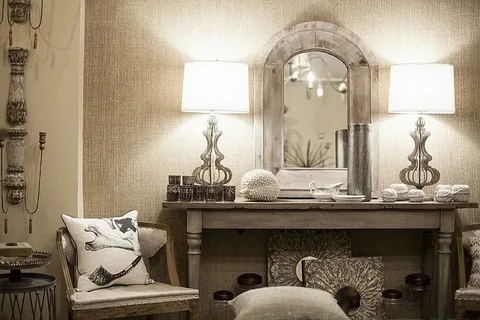
If you want to create a perfect balance between modern functionality and vintage charm, then you need to read this. It means following the trends while crafting spaces that tell your unique story. The art of blending these contrasting design elements has become one of the most sought-after approaches in contemporary interior design, offering homeowners the best of both worlds.
This design style meets the sleek efficiency of modern living with the character and authenticity that only vintage pieces can provide. This can only be achieved by an interior design professional who masters such design elements.
Whether you’re renovating your first apartment or reimagining your family home, understanding how to seamlessly merge these two distinct aesthetics can transform any space into a curated haven that feels both timeless and thoroughly modern.
Why the Modern-Vintage Mix Works So Well
The appeal of combining modern and vintage elements runs deeper than simple aesthetics. Recent research suggests that nostalgia can actually promote psychological health, leading to higher self-esteem and positive feelings.
This psychological foundation explains why modern-vintage interiors feel so satisfying. From a design perspective, vintage pieces bring several irreplaceable qualities to modern spaces. For example, many vintage pieces showcase superior construction techniques and materials that were standard in earlier decades but are rare in today’s fast-furniture market.
Modern vs. Vintage Design Elements
While modern design prioritises clean lines and minimalism, vintage elements add layers of history and personality that mass-produced contemporary pieces simply cannot replicate. This is just one example of it; below are the best examples of modern and vintage design elements.
Modern Design Characteristics
Modern design emerged in the early to mid-20th century and continues to evolve today. Its core principles include:
- Modern furniture and architecture emphasise simplicity, with straight edges and angular forms that create visual clarity and order.
- Modern spaces typically feature whites, greys, blacks, and beiges as foundation colours, with occasional bold accent colours for visual interest.
- Glass, steel, concrete, and engineered materials dominate modern design, chosen for their durability and sleek appearance.
- Modern design seamlessly incorporates technology, from hidden cable management to smart home systems that enhance functionality without cluttering the aesthetic.
- The “less is more” approach eliminates unnecessary ornamentation, focusing on functionality and clean visual impact.
Vintage Design Characteristics
Vintage design encompasses styles from roughly 1930-1980, each decade bringing distinct characteristics:
- Unlike modern design’s neutral approach, vintage styles embrace burgundy, forest green, deep blues, and warm earth tones, often paired with luxurious textures like velvet, silk, and worn leather.
- From Art Deco scrollwork to mid-century atomic patterns, vintage design celebrates decorative details that add visual interest and craftsmanship.
- Wood, stone, brass, and natural fabrics were predominant in vintage pieces, chosen for their warmth, durability, and ability to develop beautiful patinas over time.
- Vintage interiors often feature curated collections of unique pieces, antique lamps, ceramic vases, and artwork that reflect personal history and travel.
The Foundation Should Be A Neutral Base
The most successful modern-vintage blends start with a neutral foundation that allows both styles to shine without competing for attention. This doesn’t mean your space needs to be boring; rather, think of neutrals as the canvas that showcases your carefully curated pieces.
Wall Colour Strategy
Choose wall colours that complement both modern and vintage pieces. Warm whites, soft greys, and creamy off-whites work exceptionally well because they:
- Allow vintage wood tones to pop without clashing
- Provide clean backdrops for modern furniture’s sleek lines
- Create visual continuity throughout your space
- Offer flexibility as you add or change pieces over time
Flooring Considerations
Your decision on the flooring for your new design will greatly affect the cohesion between modern and retro design elements. Natural or lightly stained hardwood floors elegantly connect both aesthetic styles. The warmth of natural wood can soften the heavy vintage elements while still providing the clean lines modern design requires.
In a contemporary space, modern neutral tile or concrete flooring will work; however, the space may need warm accents through the addition of vintage rugs or textiles to keep the overall feeling warm and comfortable. A quality neutral carpet can anchor the space if vintage/retro patterns or texture are incorporated with various smaller rugs layered on top of the neutral carpet.
Large Furniture as Foundation
Invest in neutral-toned large furniture pieces, sofas, dining tables, and bed frames that can adapt as your vintage collection grows. A modern grey sectional, for instance, provides the perfect backdrop for vintage throw pillows, blankets, and side tables.
The Golden Ratio Is The 80/20 Balance
Professional designers often recommend the 80/20 rule when blending modern and vintage elements, but understanding how to apply this ratio effectively requires nuance.
What the 80/20 Rule Really Means
Rather than a strict mathematical formula, the 80/20 rule serves as a guideline for visual weight and impact:
80% Modern Foundation
This includes your major furniture pieces, built-in elements, lighting systems, and overall spatial organisation. Modern elements provide the structural framework that makes your space functional for contemporary living.
20% Vintage Accents
These are the carefully chosen pieces that add character: a mid-century credenza, vintage artwork, antique mirrors, or retro lighting fixtures. Though fewer in number, these pieces often become focal points that define the space’s personality.
Adjusting the Ratio to Your Style
Some spaces benefit from different ratios depending on your personal preferences and the room’s function:
- 70/30 for Vintage Enthusiasts – If you’re passionate about vintage pieces, you can increase their presence while maintaining modern functionality.
- 90/10 for Modern Minimalists – Those who prefer clean, contemporary spaces might use vintage elements more sparingly, perhaps just a single statement piece or carefully chosen accessories.
- 50/50 for Eclectic Styles – In some cases, equal representation can work, but this requires careful attention to colour coordination and scale to avoid visual chaos.
What’s Hot in Modern-Vintage Design for 2025
2025’s vintage trends are all about craftsmanship, timeless design, and reintroducing unique style and personality into our homes, with designers mixing ’70s grooviness with midcentury cool and Art Deco flair to create unique spaces.
Emerging Colour Trends
The outdoorsy hues seen in English and American workwear, rich olives, earthy ochres, and ruddy clays are making their way into the interior design mainstream when it comes to both paint and fabric.
These earth-toned colours work beautifully in modern-vintage spaces because they bridge the gap between modern neutrals and vintage richness, complement both contemporary materials and antique wood finishes, and create cosy, grounded feelings that enhance the psychological benefits of nostalgic design.
Example

For example, Studio Kimi transformed this basement with a modern-vintage blend. Here, the professionals used the dark wood flooring and the large-scale mural/wallpaper on the back wall, which features brown, ruddy clay, and ochre tones with a floral or bird motif, strongly reflecting the earthy, ruddy, and nostalgic colour palette you describe.
Material and Texture Trends
Bold upholstery and fabrics are making a comeback in interior design, with velvet, brocade, and tapestry adding personality and charm to any space, while creating a mixture of antique and modern pieces has become a prominent feature.
Textural Contrasts! Natural materials (natural stone, bricks, matt wood, leather) will be the priority, but their realistic copies are also in demand.
Example

This is from a project named Oakville Custom House Design, where both main sofas are upholstered in a velvet or plush fabric (a key material you mentioned) in a bold yet soft grey/taupe colour.
The accent chairs and the single chair visible outside on the patio also feature plush, light-colored upholstery. The pink velvet pillows add another layer of bold texture.
Functional Vintage Elements
Beautiful painted screens and panels are emerging as a trend for 2025, not only for their beauty but also their functionality, serving as stunning decorative accents while providing practical solutions for dividing spaces.
Example

This is the best example of adding functional vintage elements. The entire section of wall between the cabinets and around the window is covered in a beautiful, large-scale mural depicting flowering branches and birds. This is an excellent example of using wall covering as a major decorative statement.
Conclusion
Successfully mixing modern and vintage elements is about understanding the principles that allow for a successful mix of styles, while also modifying them to your style, budget, and lifestyle.
The most successful modern-vintage home spaces feel like they have been curated, rather than being decorated. They feel like they have been collected instead of shopped for at once. They share stories about the people who inhabit them, while remaining fully functional for modern lifestyles.
The modern-vintage style is the ideal solution for those who value contemporary innovation while respecting tradition. You can create spaces that honour the past, while being innovative in your approach to the future. With enough patience, imagination, and a genuine nod to the basic principles, you can design a home representing the best of both past and present.


