


The career path of an interior designer is evolving, moving far beyond choosing paint colours and cushions. Today, it’s a sophisticated, research-backed discipline that offers substantial financial rewards, if you know where to specialise.
If you’re a designer looking to boost your earning potential and secure a more stable, challenging career, the secret isn’t just working harder; it’s niching down. In a growing global design market, being a generalist just won’t cut it anymore.
Studio Kimi, as a leading interior design agency, has listed down some interior design specialisations, certifications, and career paths to help beginners start their interior careers.
Defining Your Niche for Higher Earning Potential
The Big Difference! Designer vs. Decorator
Before we dive into the high-paying niches, let’s quickly clarify the professional titles.
- Interior Decorator – Focuses primarily on the aesthetic elements of a space, furniture, art, colour, and textiles, to enhance its look and feel. They typically work with existing structures.
- Interior Designer – This is a qualified professional who handles the functional, safe, and aesthetic planning of a space. Designers often draw up architectural plans, ensure compliance with building codes, and manage structural elements like lighting and space layout. This is why a designer commands a higher fee and is considered a lucrative career choice.
Why Specialisation In Interior Design Equals Higher Pay?
What is the most lucrative specialisation in interior design? The most lucrative specialisations in interior design are typically Commercial/Corporate Design and Healthcare Design. These fields require highly technical knowledge, adherence to complex safety and building codes, and often involve large, multi-year contracts that command higher fees and six-figure salaries.
Your Roadmap to a Higher Salary
The most profitable interior design categories are those with high entry barriers and complex requirements. They demand expertise that a typical residential designer doesn’t possess, driving up the value of the specialised service.
We’re going to break down the four top-tier, highest-paying design specialisations that can reliably take your salary into the six-figure range.
The Top-Tier Lucrative Interior Design Specialisations (The Big Four)
To move into the top 10% of earners (salaries often exceeding $106,000 to $150,000+ per year for senior roles, according to BLS data and industry reports), you must pivot from purely residential work to technical or commercial fields.
1. Corporate / Commercial Interior Design
This niche is all about designing functional, safe, and brand-aligned workplaces, large corporate facilities, co-working spaces, and office complexes. It’s the engine room of the economy, and the budgets reflect that.
| Why it’s Lucrative | Reasons |
| High-Budget Projects | Unlike a home, a single corporate contract can span tens of thousands of square feet and involve millions in materials, furniture, and technology integration. |
| Focus on ROI | Designers here focus on Evidence-Based Design (EBD) principles to boost employee productivity, retention, and well-being. A design that improves staff output is a design that justifies a premium fee. |
| Workplace Strategy | The designer is seen as a business partner who can lower operating costs and enhance corporate branding. |
2. Healthcare Interior Design
This is arguably the most specialised and emotionally rewarding, and financially demanding, field. Healthcare designers create spaces for hospitals, clinics, and specialised medical facilities.
| Why it’s Lucrative | Reasons |
| Highly Technical & Regulated | You need specialised knowledge of infection control, medical equipment clearance, accessibility codes, and stringent governmental regulations. Fewer designers qualify, which drives up demand and fees. |
| Evidence-Based Design (EBD) | Research has repeatedly shown that specific design elements, like access to natural light, views of nature, and noise reduction, can reduce patient stress, decrease hospital stay length, and even lower the risk of medical errors. Your design is a factor in patient outcomes. |
| Healing Environment | You are designing a healing environment, not just a room. This unique skill set commands top-tier salaries (often exceeding $70,000-$120,000 CAD. |
3. Hospitality Interior Design
Hospitality design is the art of translating a brand experience into a physical space. This includes hotels, resorts, high-end restaurants, luxury clubs, and entertainment venues.
| Why it’s Lucrative | Reasons |
| Direct Revenue Impact | The design directly influences a hotel’s occupancy rate, a restaurant’s turnover, and a guest’s willingness to pay a premium. The designer is an essential part of the client’s business model. |
| Durability and Luxury | Projects require deep knowledge of highly durable, high-traffic materials that still convey luxury and comfort, a challenging balancing act that clients pay well to solve. |
| Guest Experience | The focus is on creating a memorable, inviting atmosphere that encourages repeat business and positive reviews. Think of the immersive, high-concept design of a five-star boutique hotel lobby. |
4. Kitchen and Bath Design (Specialised Residential/Commercial)
While it may sound less glamorous than a high-rise office, this specialisation focuses on the two most expensive and technically demanding rooms in any property – the kitchen and bathroom.
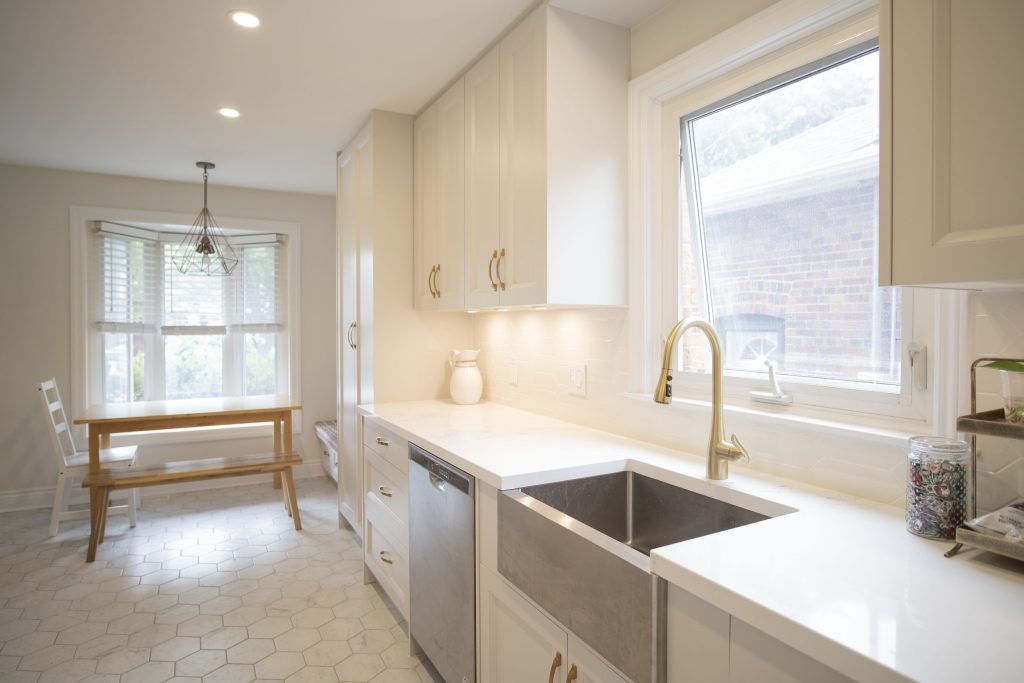
- What is Kitchen and Bath Design? Exclusive expertise in cabinetry, fixture and appliance specification, plumbing layout, ventilation, and material selection for wet areas.
- Why is it Lucrative? These projects have the highest potential cost overruns and the most complex regulatory compliance (electrical, water, and gas lines). Clients pay a premium for certified expertise to ensure the job is done right.
- Certification Value? Professionals with NKBA (National Kitchen and Bath Association) certification are highly sought after and can reliably charge premium rates for their specialised technical knowledge and deep industry connections.
Emerging and High-Demand Niche Specialisations
As the Canadian economy shifts towards greater environmental accountability and addresses its rapidly ageing population, these design specialisations are experiencing exponential growth and fetching premium rates for specialised expertise. Being certified in one of these areas is a clear path to becoming an indispensable, high-earning designer in the Canadian market.
Sustainable & Green Design (LEED/WELL Certified)
In Canada, green building isn’t just a trend; it’s becoming a mandate driven by federal net-zero goals and provincial incentives. Designers specialising here focus on improving energy/water efficiency, indoor air quality, and using environmentally responsible materials.
| Why it’s Lucrative in Canada | Key Canadian Certifications & Incentives |
| Corporate Responsibility (CSR) | Large Canadian corporations and government clients require LEED or WELL certification to meet their ESG (Environmental, Social, Governance) commitments. |
| Tax Credits & Funding | Your specialised knowledge helps clients access government programs. Examples include the Clean Buildings Tax Credit (like the one offered in BC) or federal incentives (like the Clean Technology ITC for corporations) and programs like the Canada Greener Homes Initiative for residential retrofits. |
Green Building Consultant – You act as a high-value consultant who facilitates energy savings and secures funding, making your design fees easily justifiable.
Universal Design & Ageing-in-Place
With Statistics Canada projecting that one in four Canadians will be over the age of 65 by 2041, the demand for homes that allow people to age with dignity and independence is massive and currently underserved.
- Core Focus – Creating spaces accessible and functional for people of all ages and abilities. This goes beyond simple accessibility (ramps) to consider factors like cognitive changes, reduced mobility, and maintaining social connections.
- Why it’s Lucrative – This is driven by strong consumer preference (85% of older adults prefer to Age in Place) and a shift in government policy (federal and provincial initiatives focusing on home-based care). Designers here save the healthcare system money by preventing avoidable transitions to long-term care.
- Canadian Code Compliance – Unlike the US focus on the ADA, Canadian designers must master CSA B651 (Accessible Design for the Built Environment) and relevant provincial legislation like Ontario’s Accessibility for Ontarians with Disabilities Act (AODA). Your expertise in these codes is a non-negotiable professional necessity.
Lighting Design
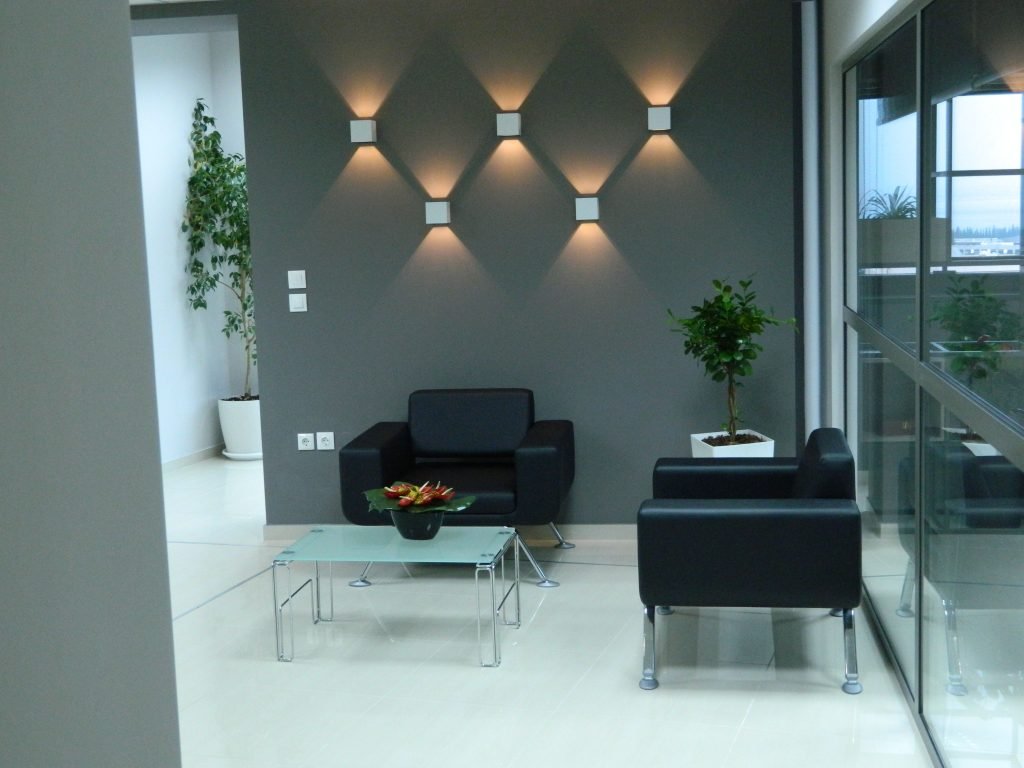
Often overlooked, Lighting Design is a highly technical discipline that impacts everything from safety to productivity and mood, making it a lucrative speciality in both commercial and high-end residential sectors.
- Core Focus – Technical and creative planning of artificial and natural lighting to impact mood, productivity, and safety. This involves complex calculations (e.g., foot-candles or lux levels) to ensure functional and aesthetic performance.
- Value-Add – You solve problems. In commercial spaces, proper lighting is essential for employee productivity and complying with OHS (Occupational Health and Safety) standards. In healthcare and corporate sectors, lighting design is often outsourced to specialists because of its complexity and high impact on the environment.
- The Technical Edge – Proficiency in software like Revit, Dialux, or AcuityBrands is required, allowing you to charge substantial consulting fees on a project-by-project basis that can supplement your primary design income.
As a Canadian designer, specialising in these niches connects you directly to the country’s biggest economic drivers – sustainability mandates, ageing population support, and critical building compliance. This translates directly into higher fees and increased job security.
Related Lucrative Career Paths
Not every high-earning interior design career involves meeting with residential clients or drawing up plumbing plans. Your core skills, spatial planning, material knowledge, and project management are highly sought after in related industries.
These career paths leverage your design expertise but often focus on management, product creation, or media, offering different ways to hit that six-figure salary mark in Canada.
Interior Design Manager / Director
This is the classic management progression for experienced designers who want to step away from day-to-day drafting and take on a leadership role.
- Primary Focus – Overseeing multiple projects, managing design teams, controlling firm-wide budgets and timelines, and handling high-level client coordination and business development.
- Why it’s Lucrative – This role is directly tied to the financial performance and success of the firm. Design Managers and Directors often command high salaries (regularly six figures in major Canadian markets like Toronto, Vancouver, and Calgary) because they bear the responsibility for successful project delivery and team mentorship.
Furniture Designer
If your passion lies in creating objects rather than manipulating space, designing furniture for bespoke clients or mass production can be highly profitable.
- Primary Focus – Designing, prototyping, and overseeing the manufacturing of custom or catalogue furniture pieces, often specialising in commercial (contract-grade) or high-end residential lines.
- Why it’s Lucrative – Earning potential is high through royalties on successful product lines licensed to major Canadian or international manufacturers. For bespoke designers, high-end commissions for custom pieces can generate significant fees.
- Canadian Context – Look for opportunities with reputable Canadian design houses and manufacturers focused on sustainable and durable contract furniture for the commercial/hospitality sectors, as this is where high volume and high budgets converge.
Production / Set Designer
Leverage your space planning and aesthetic skills in the fast-paced, high-budget world of film, television, and theatre, which has a strong base in major hubs like Vancouver, Toronto, and Montreal.
- Primary Focus – Creating, budgeting, and building the functional and aesthetic environments (sets) used in media production. This requires rapid problem-solving and an understanding of how spaces translate through the camera lens.
- Why it’s Lucrative – This is typically project-based work with high daily or weekly rates attached to large production budgets. It requires highly specialised skills (e.g., historical accuracy, rapid construction oversight) that are consistently in demand across Canada’s thriving media sector.
Visual Merchandiser
For the designer who loves retail and understands consumer psychology, Visual Merchandising is a field where aesthetics directly impact revenue.
- Primary Focus – Designing retail store layouts, window displays, product placement, and showrooms (for manufacturers, showrooms, etc.) to attract customers, enhance brand storytelling, and drive sales.
- Why it’s Lucrative – Your performance is directly tied to the business’s success. By creating flow and highlighting key products, a Visual Merchandiser directly impacts customer flow and sales revenue. This tangible, measurable impact allows top professionals in this field to negotiate strong salaries or consulting retainers with major retail chains.
Education and Steps to Specialisation in Interior Design
Achieving a six-figure salary and gaining the title of Registered Interior Designer (RID) in Canada requires a structured path defined by the “Three Es” – Education, Experience, and Examination.
This isn’t just about collecting credentials; it’s about building the competency and legal right to practice independently. Some people say that it is a fine art, but explore more about interior design.
Education and Foundation
The foundation of a lucrative career is rooted in accredited, comprehensive education.
- The Baseline – While some alternative paths exist, the gold standard is a Bachelor’s Degree in Interior Design (BID) or a similar four-year program. Seek out programs that are CIDA-accredited (Council for Interior Design Accreditation), as CIDA accreditation is the required educational pathway recognised by the Interior Designers of Canada (IDC) and provincial regulatory bodies.
- Essential Technical Skills – To handle the complex, high-budget projects of specialised design, you must master the digital tools. This includes proficiency in AutoCAD for drafting, Revit/BIM (Building Information Modelling) for complex project integration, SketchUp and other 3D rendering software, and Project Management platforms.
- Soft Skills for Leadership – Your technical skills get you the job, but your soft skills determine your salary. Communication, Budgeting, and Project Management are crucial for advancing into senior and directorial roles where you manage consultants, clients, and entire teams.
The Path to Professionalism (Licensure and Certification)
In Canada, registration is critical for professional protection, often granting the exclusive right to use titles like “Interior Designer” or “Registered Interior Designer (RID)” in regulated provinces (including Ontario, Alberta, and British Columbia).
1. Experience
Following graduation, you enter the Intern phase (often 2–4 years). You must fulfil the required hours of supervised, tracked work experience, usually under a Registered Interior Designer or a Licensed Architect, to demonstrate competency across all phases of a project.
2. Examination (NCIDQ)
The final hurdle is successfully passing the NCIDQ Examination (administered by the Council for Interior Design Qualification, CIDQ).
- The NCIDQ is the common, rigorous North American standard that tests your knowledge in areas critical to public health, safety, and welfare (HSW).
- Passing this exam is a mandatory requirement for registration with your provincial body (e.g., ARIDO in Ontario, IDIBC in BC, IDA in Alberta). Success grants you the right to pursue the protected professional title in your jurisdiction.
3. Specialised Certifications
Adding specialised credentials significantly boosts your earning potential because it demonstrates a verified expertise in a high-demand niche:
| Certification | Specialization | Value in the Canadian Market |
| LEED AP | Sustainable & Green Design | Demonstrates knowledge of the Canadian Green Building Code and helps clients pursue federal/provincial sustainability funding. |
| WELL AP | Corporate & Healthcare Design | Verifies expertise in designing for occupant health and wellness—a massive priority for Canadian corporate clients. |
| CKBD (Certified Kitchen & Bath Designer) | Kitchen & Bath Design | NKBA’s certification is the accepted North American standard, verifying technical expertise in complex wet-area planning and safety. |
Building the Specialisation Portfolio
A general portfolio gets you an interview; a specialised portfolio lands you the lucrative contract.
- Focus Your Work – You must actively prune your work to only highlight your chosen niche. If you want a career in Hospitality Design, your portfolio should showcase detailed millwork and material selection for high-traffic environments, not residential basement renovations.
- Pro-Bono/Concept Work – If you lack professional experience in a specialisation (e.g., Healthcare), don’t wait. Create highly detailed concept projects that solve real-world problems in that sector. This proves your competency to a prospective employer or client.
Frequently Asked Questions (FAQs)
What is the highest-paying sector for interior designers in Canada?
The highest-paying sectors are generally Corporate/Commercial and Healthcare Design, particularly in major economic centres like Toronto, Vancouver, and Calgary. These complex projects require specialised knowledge of the National Building Code of Canada and command premium fees.
Is the NCIDQ exam required to practice in all of Canada?
The NCIDQ exam is the standard qualification and is required to use the title “Registered Interior Designer (RID)” in regulated provinces (like Ontario, Alberta, and British Columbia). While not all provinces are regulated, passing the NCIDQ is highly recommended for professional mobility and credibility across the country.
How long does it take to become a Registered Interior Designer (RID) in Canada?
It typically takes 6 to 8 years after high school: 4 years for a CIDA-accredited Bachelor’s degree, followed by 2 to 4 years of required supervised work experience, and then passing the NCIDQ examination.
What are the top software skills I need for commercial specialisation?
Revit/BIM (Building Information Modelling) is essential for commercial projects in Canada, followed by proficiency in AutoCAD, 3D rendering (like SketchUp or Rhino), and project management software.
What is the difference between LEED and WELL certification?
LEED (Leadership in Energy and Environmental Design) focuses primarily on the environmental performance of the building (energy, water, materials). WELL focuses on how the design impacts the human health and wellness of the occupants (light, air, comfort, nourishment). Both are highly valued in the Canadian commercial sector.
Key Takeaways and Final Summary
- High salaries in Canada belong to experts in complex, high-risk fields like Healthcare, Corporate, and Green Design.
- Expertise in the National Building Code (NBC), provincial codes, and accessibility standards (like CSA B651) is essential for lucrative projects.
- The Registered Interior Designer (RID) title is mandatory for professional practice in regulated provinces, requiring a CIDA degree, supervised experience, and the NCIDQ Exam.
- Strategic credentials (LEED AP, WELL AP, NKBA CKBD) verify specialised knowledge and justify premium consulting fees.
- Explore high-earning adjacent careers like Design Management and Production/Set Design in Canada’s growing media and corporate sectors.
Conclusion
The days of the generalist interior designer competing purely on aesthetic vision are fading. The most lucrative and stable careers in Canadian interior design services belong to specialists who bring verifiable, technical expertise to complex, high-budget projects like healthcare facilities, corporate offices, and green infrastructure.
Specialisation is not a limitation; it’s the key to unlocking premium fees and professional recognition. By choosing a niche, mastering the essential software, and pursuing the NCIDQ and relevant Canadian certifications, you move from being one of many to becoming a valued expert.
Ready to stop being a generalist and start mastering your high-earning niche? The blueprint is set, and the market is waiting for your expertise.


