
Planning · Studio Kimi Journal
Most renovations do not stall because of money or materials. They stall right at the beginning, when a homeowner stands in the middle of their house thinking, “I know I want to change this — I just do not know where to start.” If that is you, you are in good company. Here is a calm, step-by-step way to begin, before anyone picks up a hammer.

Step 1: Get clear on what you actually want
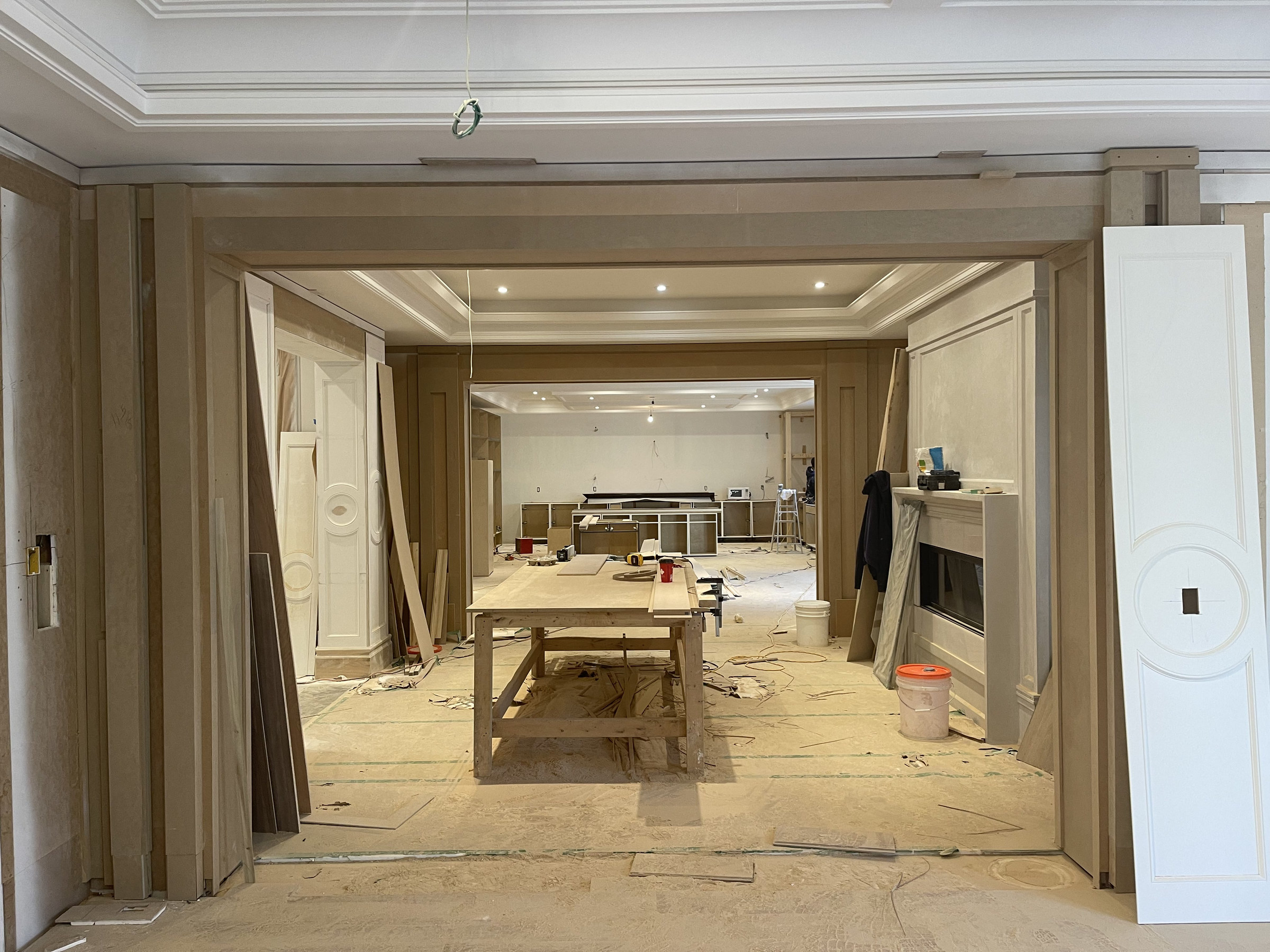
Before budgets or finishes, get honest about how you want the home to work. Where does daily life feel cramped or awkward? Which rooms do you avoid, and why? What would “finished” actually feel like? Write it down in plain language — “the kitchen should open to where the kids do homework,” not “I want an open concept.” The clearer your reasons, the easier every later decision becomes. The brief at Maple Grove, an Oakville bungalow, was exactly that plain — open, natural, warm, no dark corners — and every later decision traced back to it.
Step 2: Set a realistic budget — before you fall in love with finishes
A budget is not a number you hope to hit; it is the frame that keeps the project sane. Decide what you are genuinely comfortable investing, then hold back a contingency — we suggest 10–15% — for the surprises older homes always seem to hold. If you are not sure what your project should cost, our guide on home renovation costs in Mississauga gives real GTA ranges to anchor against.
Step 3: Define the scope — what is in, and what can wait
Few homeowners do everything at once, and you do not have to. Separate the work into what has to happen now — anything structural, anything behind the walls — and what can follow in a later phase. Phasing thoughtfully is one of the quietest ways to protect both your budget and your patience.
Step 4: Decide how the project will be run
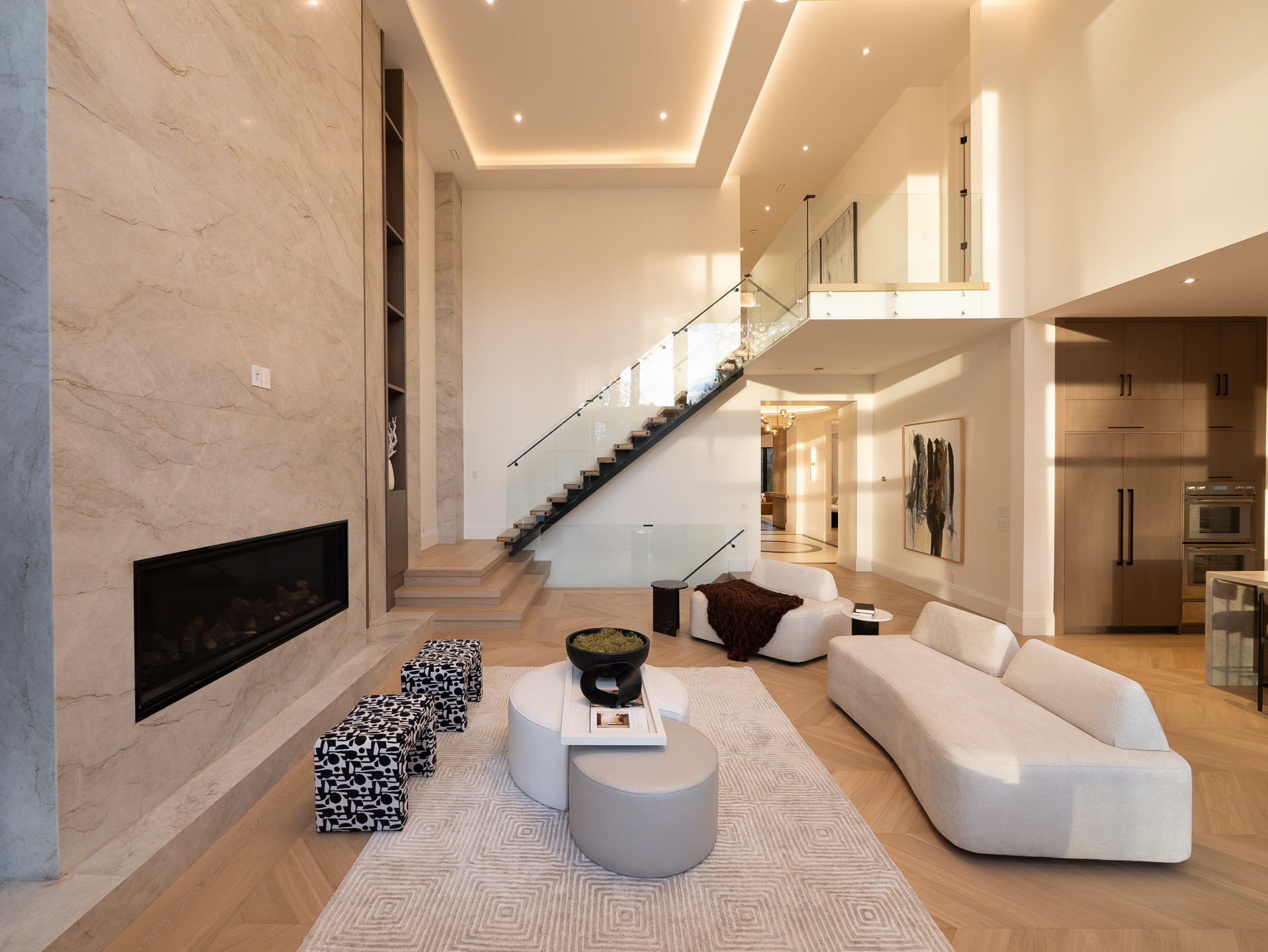
This is the decision most people skip, and it shapes everything that follows. Will you hire a designer and then manage the contractor yourself, or have one team handle both? We compare the two honestly in design-build vs design-only. If you would rather not chase trades and reconcile drawings on site, our design-build approach keeps design and construction under one roof.

Step 5: Bring in the right people at the right time
The earlier a designer is involved, the more they can save you — because the expensive mistakes happen in decisions, not in drywall. If you are weighing whether it is worth it for your project, we wrote an honest take on whether hiring an interior designer is worth it, along with a guide on how to choose the right one.
Step 6: Expect a realistic timeline
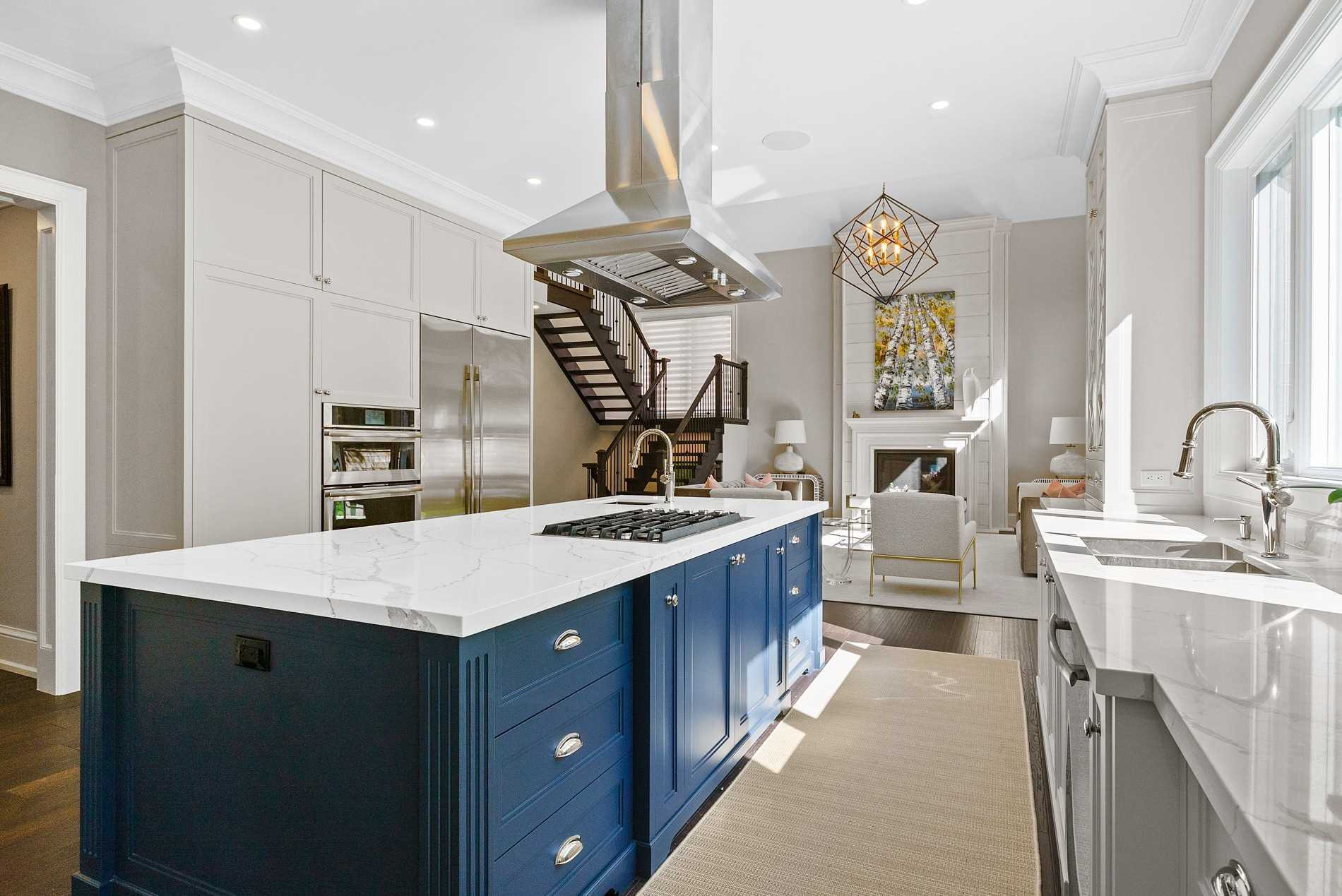
Good work takes longer than television suggests, and that is usually a good sign. Design and planning alone often run several weeks before anything is built. For a grounded view of the whole arc, see how long a home renovation takes.
A calmer way to start
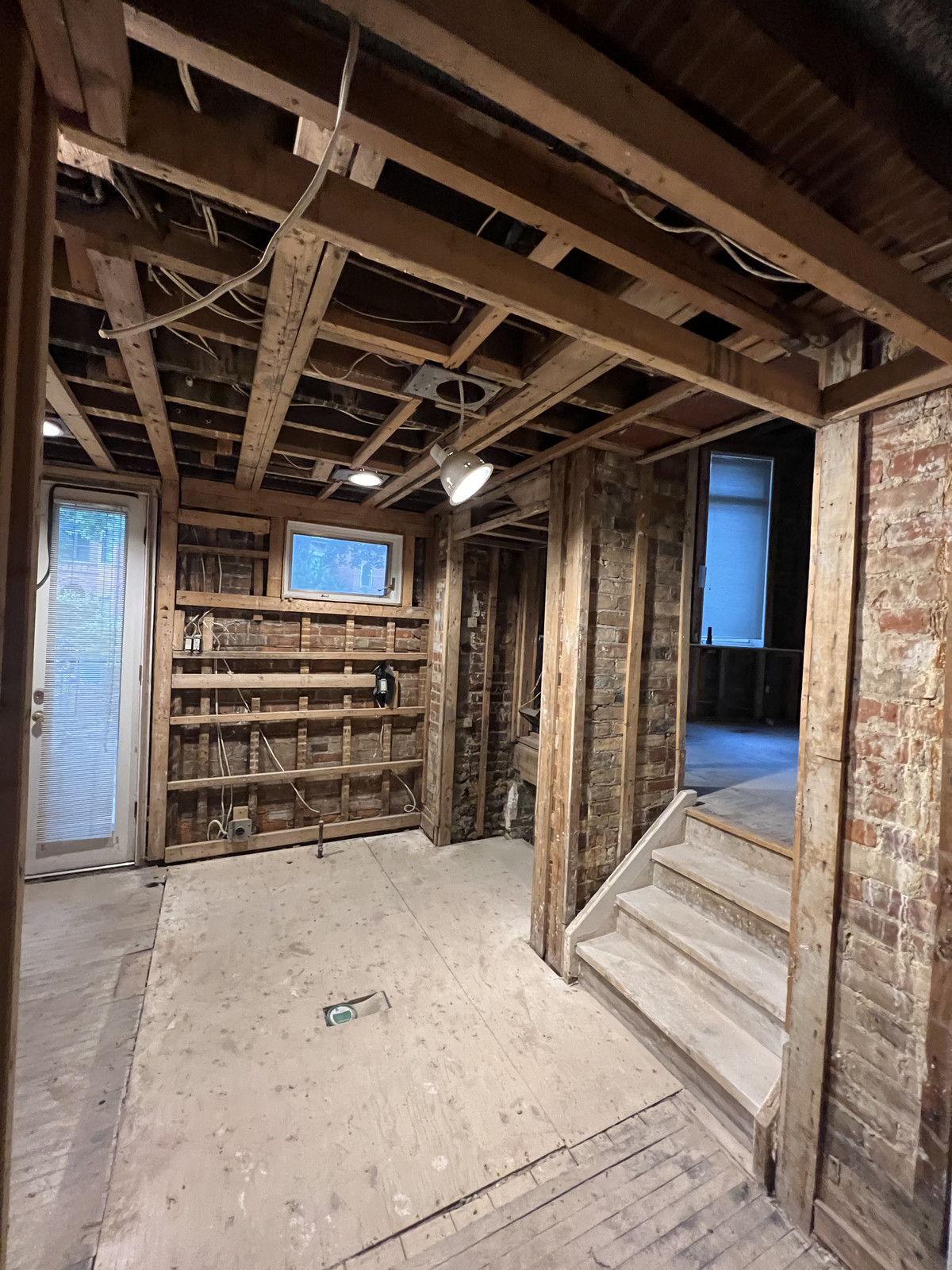
You do not have to have it all figured out before you reach out — that is what the first conversation is for. At Studio Kimi we begin with a Discovery meeting to understand your home and how you live in it, then give you an honest plan and cost range from there. If you would like a calmer place to begin, see how we approach interior design and renovation in Mississauga, browse our recent projects, or simply get in touch.

Common questions
How far ahead should I start planning a renovation?
For a whole-home or kitchen project, three to six months before you want work to start is realistic once design, permits, and ordering are factored in. Custom cabinets and stone alone can take several weeks to arrive.
Do I need drawings before I get quotes?
Yes. Quotes based on a clear set of drawings are the only ones worth comparing. Without them, every contractor is pricing a slightly different scope, and the numbers cannot be lined up against each other fairly.
For a step-by-step look at how a Studio Kimi project actually unfolds, see our process.
Are you ready to renovate?
A 3-minute check that shows where your budget, scope and timing stand — before you spend a dollar.
Ready to start?