
Interior Design · Studio Kimi Journal
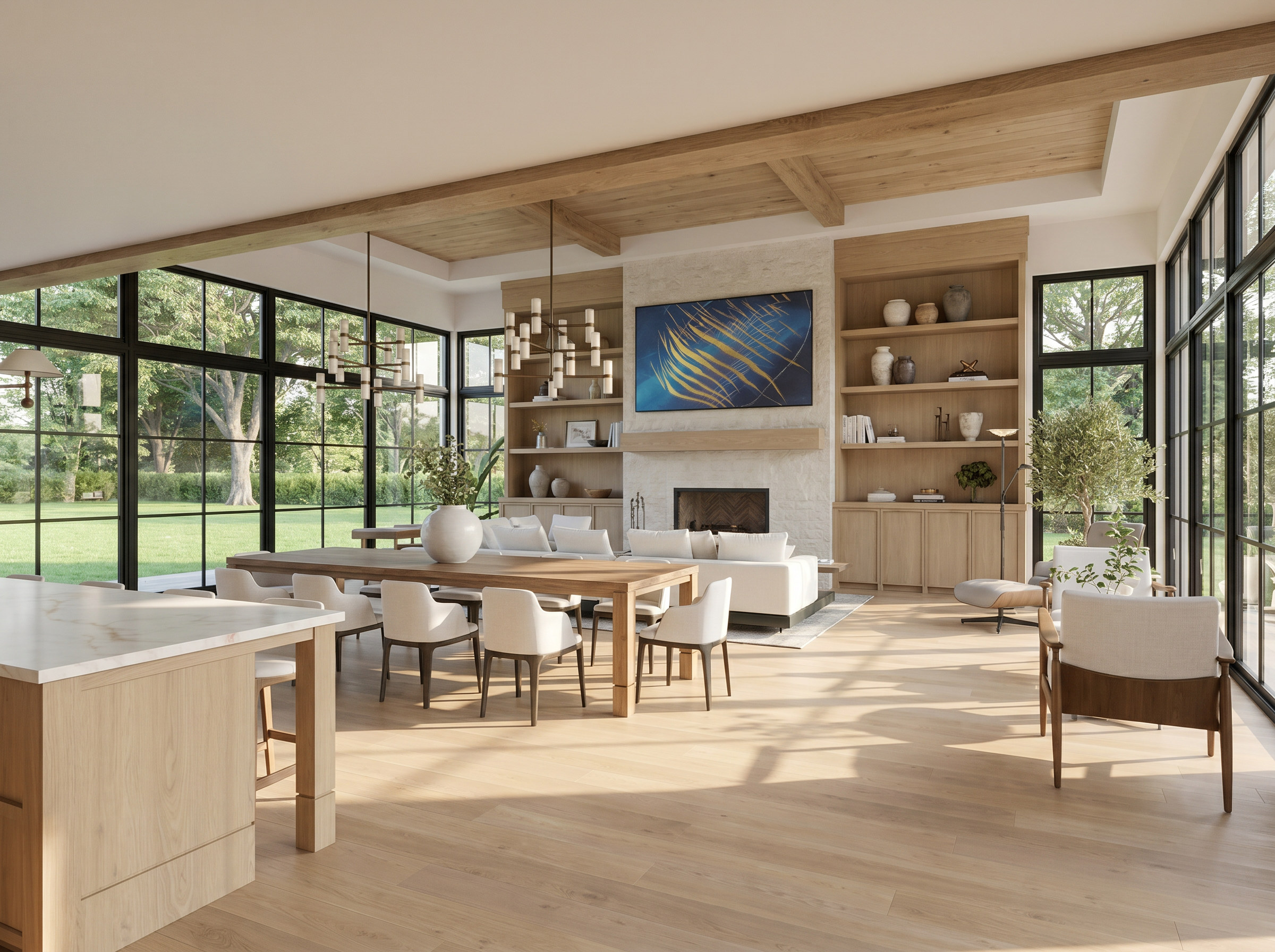
Every January, someone asks us what’s “in” for the year. The honest answer is that good design in the GTA has been moving in the same direction for a few years now, away from anything that looks like a showroom and toward rooms that hold up to real family life. 2026 is less a break from that and more a continuation of it, with a few materials and habits becoming the default rather than the exception.
Here is what we are actually specifying on Oakville, Mississauga and Burlington projects this year, and why each one earns its place rather than just trending.
Warm, tactile materials over cold minimalism
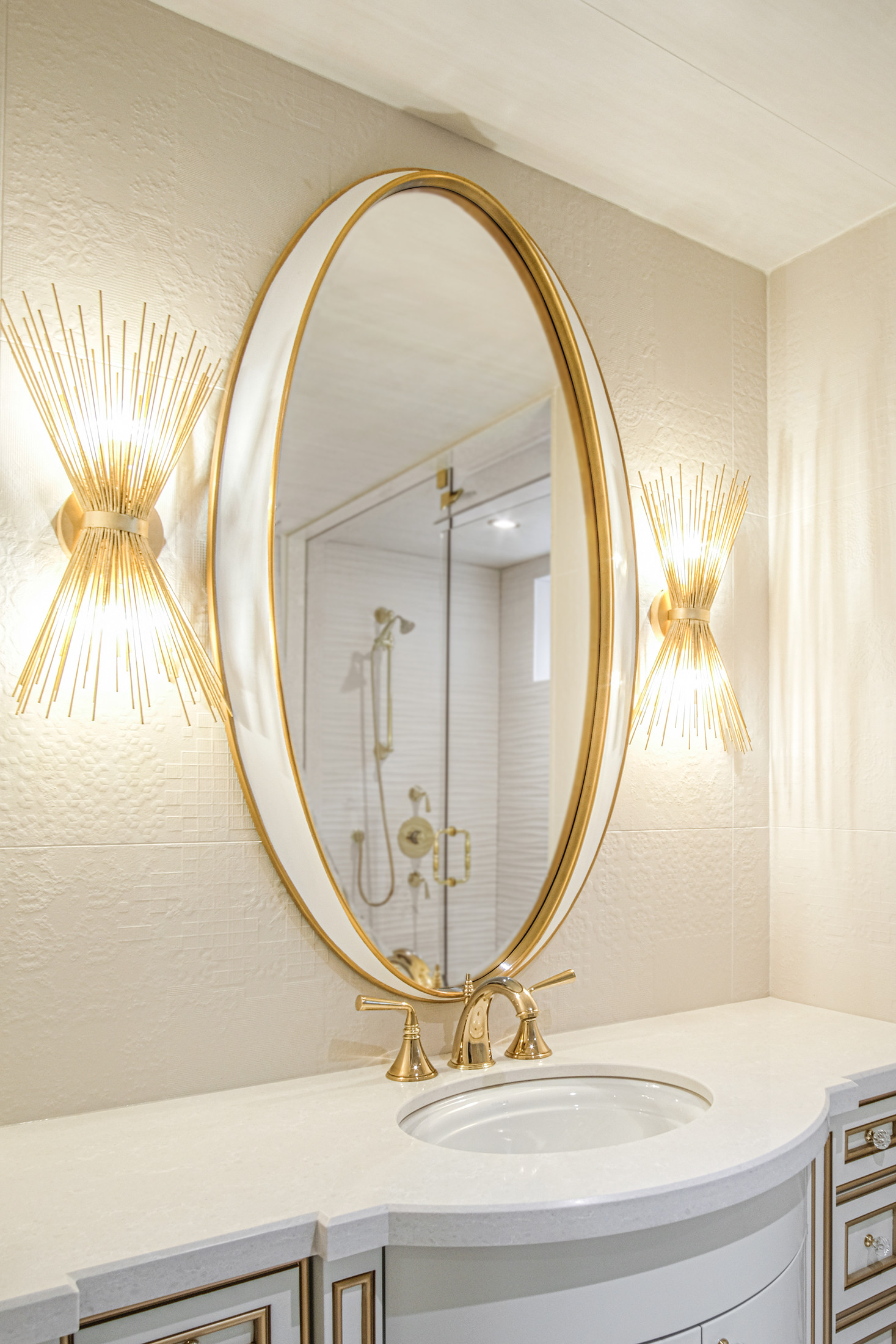
The all-white, high-gloss kitchen is losing ground to rooms you want to touch: white oak cabinetry, honed (not polished) stone, boucle and linen upholstery, brushed rather than mirror-polished metal. The driver is simple — a matte, textured surface hides daily use better than a glossy one, and it photographs warmer in the grey GTA light for most of the year. This is also why we lean on layered lighting instead of one bright source; a room reads warm when the light is warm, not just when the materials are.
Curved forms, softened edges
An arched doorway, a rounded kitchen island corner, a curved banquette — these keep showing up because they solve a real problem in older GTA homes: awkward traffic flow through tight hallways and small mudrooms. A soft radius on one high-traffic corner does more for how a room feels to walk through than almost any finish choice. It is a detail, not a whole-house style, and it works best used once or twice with intention rather than everywhere.
Natural stone and honest materials
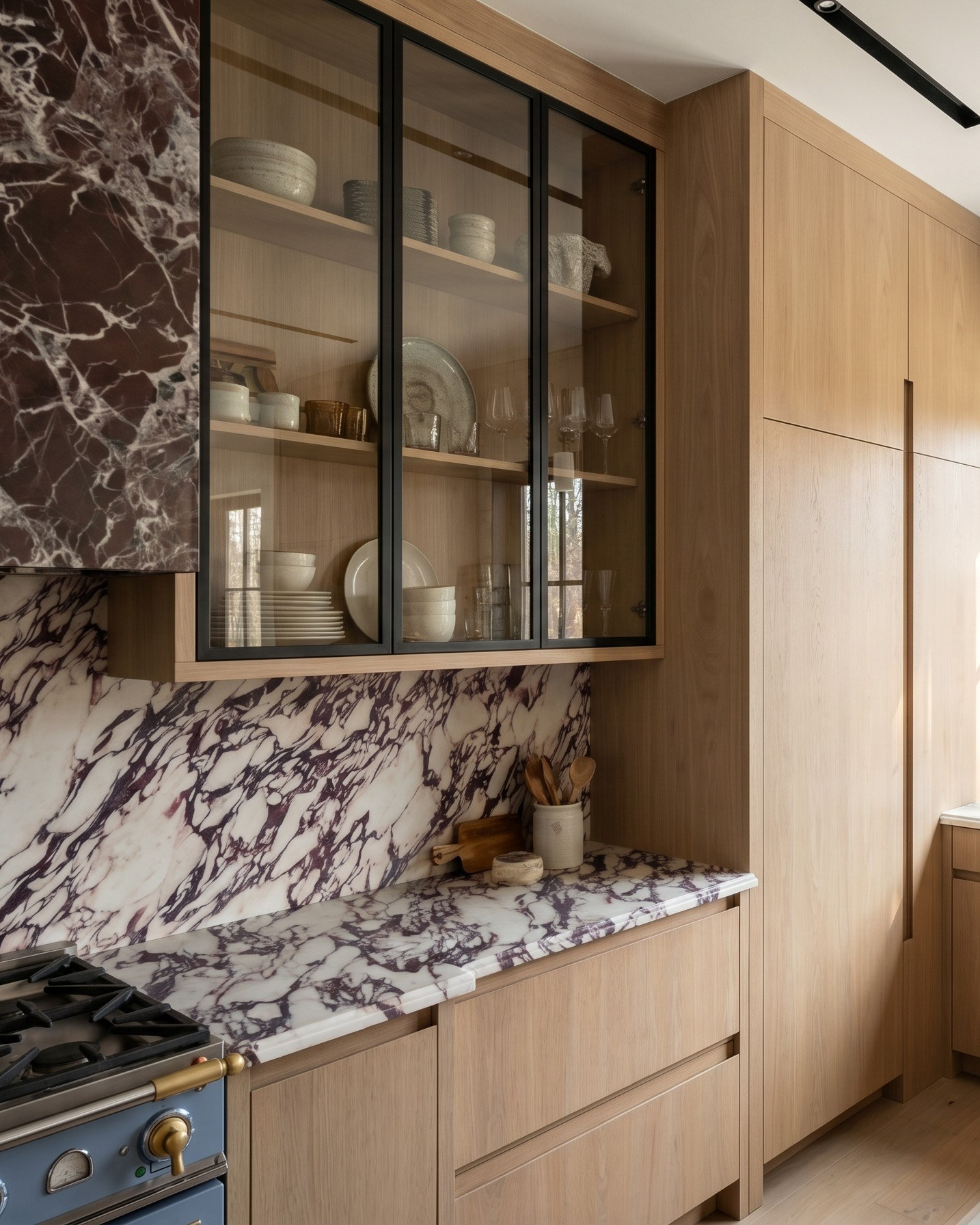
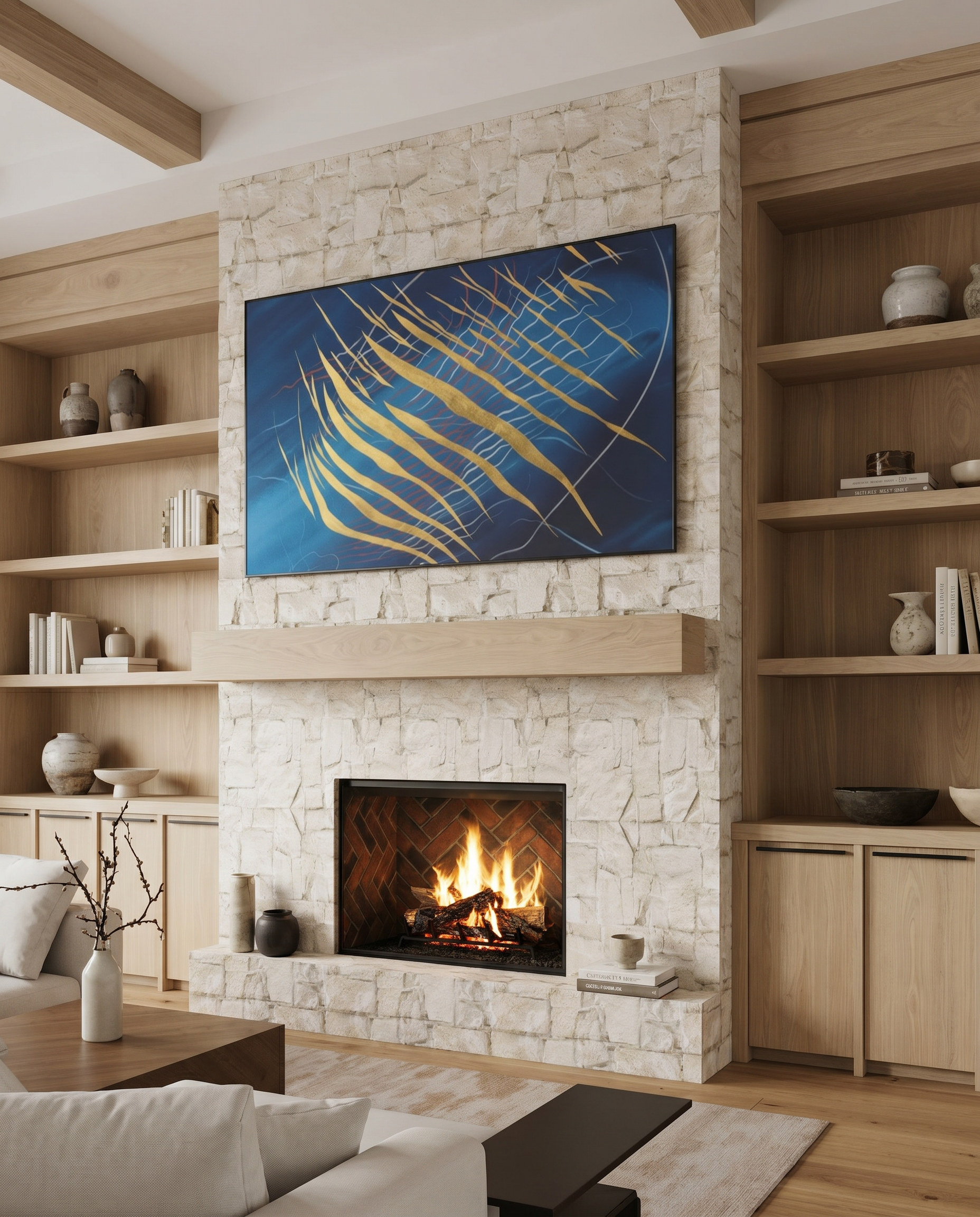
Quartz is still the practical choice for a busy kitchen island, but we are specifying more natural stone — honed marble, limestone and quartzite — on vanities, fireplace surrounds and accent walls, where the wear is lighter and the veining can actually be seen. The appeal is that no two slabs match, which is the opposite of the uniform, printed-look surfaces that were everywhere five years ago. Paired with real wood millwork instead of laminate, a room stops looking like it was ordered from a catalogue.
Low-VOC and healthier finishes
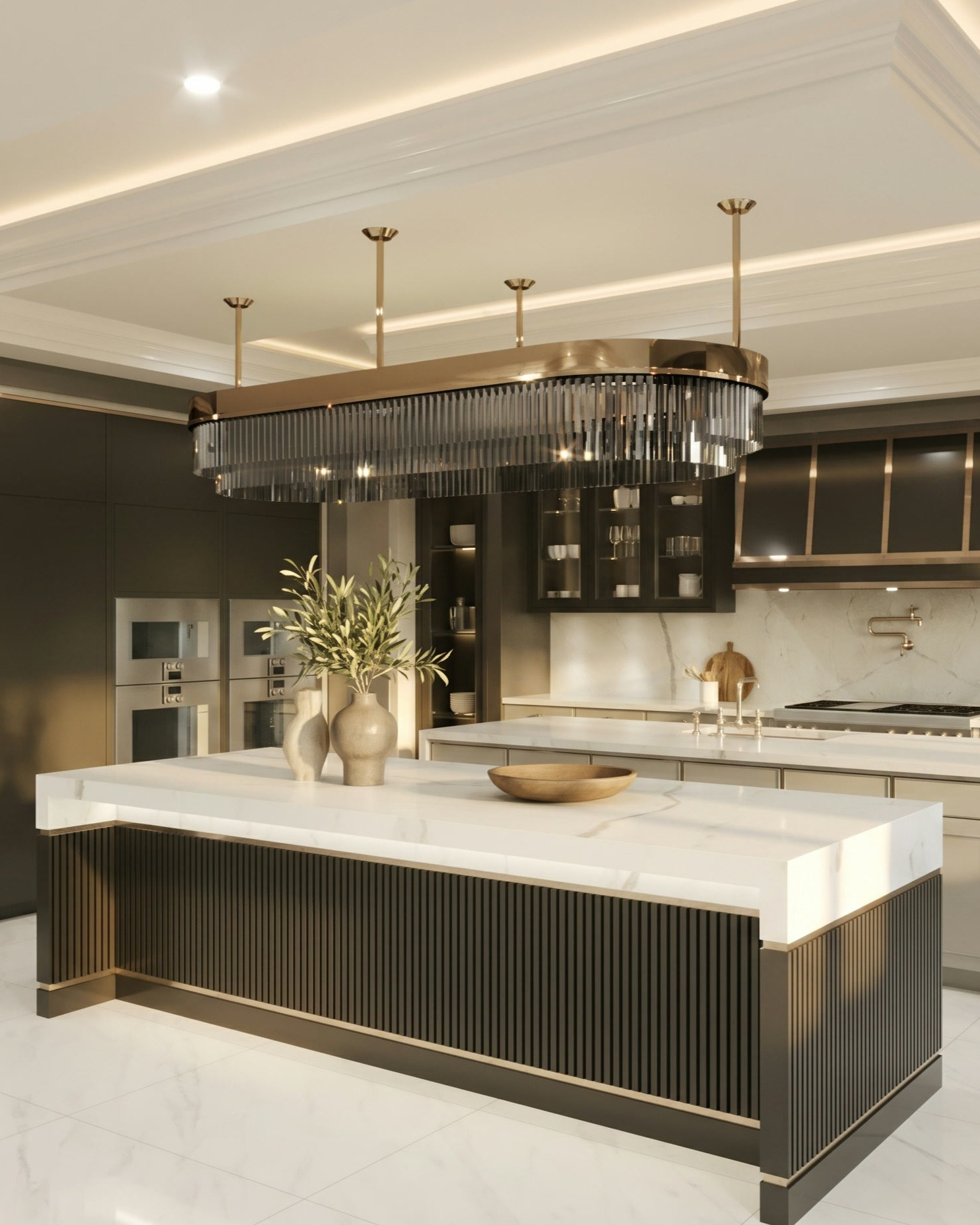
This one is less about aesthetics and more about how a renovated home actually lives. Low- and zero-VOC paints, water-based finishes on millwork, and formaldehyde-free cabinet cores are now our default spec, not an upgrade a client has to ask for. With more of our clients working from home some or all of the week, indoor air quality during and after a renovation has become a real, practical question — not just a marketing line.
Smart-home integration that stays invisible
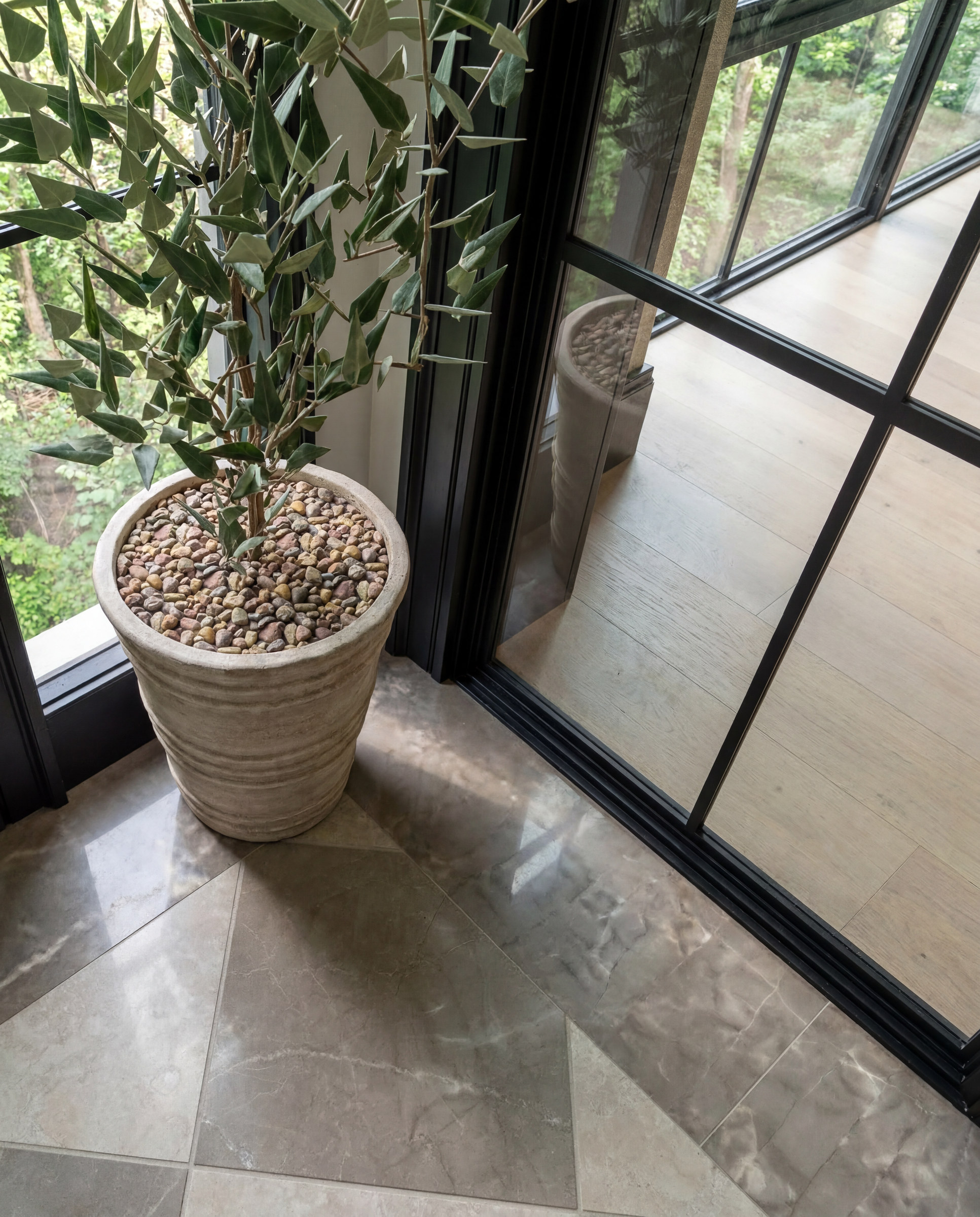
The smart-home trend that has actually stuck is the boring one: lighting scenes, shades and climate control wired in during construction so there is no visible hub, no exposed wiring, no panel of switches on the wall. The goal is a home that behaves intelligently without announcing that it is “smart.” That only works if the wiring and in-wall infrastructure are planned at the drawing stage, which is one more reason design and construction benefit from running under one roof rather than being bolted on after the fact.
Phased renovations, planned as one project
Budgets are tighter than they were a few years ago, and more GTA homeowners are renovating in phases — kitchen this year, primary ensuite next, main-floor flooring the year after — rather than gutting the whole house at once. The trend worth naming is not the phasing itself, which has always existed, but doing it with a single master plan from the start, so the kitchen you renovate this year does not fight the bathroom you renovate in two years. Our guide on how to plan a home renovation walks through how we set that plan before the first phase begins.
What this means for your renovation
None of this is a reason to redo a kitchen that already works. Trends are useful as a checklist for a renovation you were already planning — a chance to pick a warmer stone instead of the coldest option, or a low-VOC paint line instead of whatever was on the shelf. Our residential interior design work starts with your home and your budget, not a moodboard of what is popular this year; the trends above are simply where good choices and current taste happen to overlap right now.
For the kitchen specifically, we have written up what we are actually specifying in 2026 — the stone hoods, fluted millwork, glass-front uppers and warm metals that are landing in our drawings, and why each one lasts.
Frequently asked questions
What is the biggest interior design trend in the GTA for 2026?
Warm, tactile materials — white oak, honed stone, boucle and linen — replacing the cold, high-gloss minimalism that was common a few years ago. It shows up in kitchens, bathrooms and living spaces alike.
Are smart-home features worth adding during a renovation?
Yes, if the wiring is planned at the drawing stage so switches, hubs and panels stay out of sight. Retrofitting smart features after construction usually means visible hardware and compromises.
Is natural stone practical for a busy family kitchen?
For an island or high-wear counter, quartz is still the more practical choice. Natural stone works well on vanities, fireplace surrounds and accent walls, where it is seen more than it is worked on. We go through that choice properly — heat, sealing, cost and how each one ages — in quartz vs quartzite.
Should I renovate my whole home at once or in phases?
Phased renovations are common and often more manageable financially, as long as every phase is designed against one master plan from the start — not decided room by room as you go.
Ready to start? Contact us — we will help you turn any of these into a real plan for your home.
Are you ready to renovate?
A 3-minute check that shows where your budget, scope and timing stand — before you spend a dollar.