
Planning · Studio Kimi Journal
Most people who reach out to us have never worked with an interior designer before, so the first question is usually a fair one: what actually happens once we start. The interior design process can feel like a black box from the outside, but it follows a clear sequence. Below we walk through each stage the way we run it at Studio Kimi — what you do, what our team delivers, and roughly how long it takes.
Every project is different, so treat the timelines as general guidance rather than promises. A single bathroom moves faster than a full-home renovation, and decisions made early either keep things on track or slow them down. The structure, though, stays the same.
Stage 1: Discovery and pre-design
This is where the project gets defined. Before any drawing happens, we need to understand how you live, what is not working in the space, and the budget range you are comfortable with. An honest budget conversation early saves a great deal of frustration later, so we ask for a range rather than a single number.
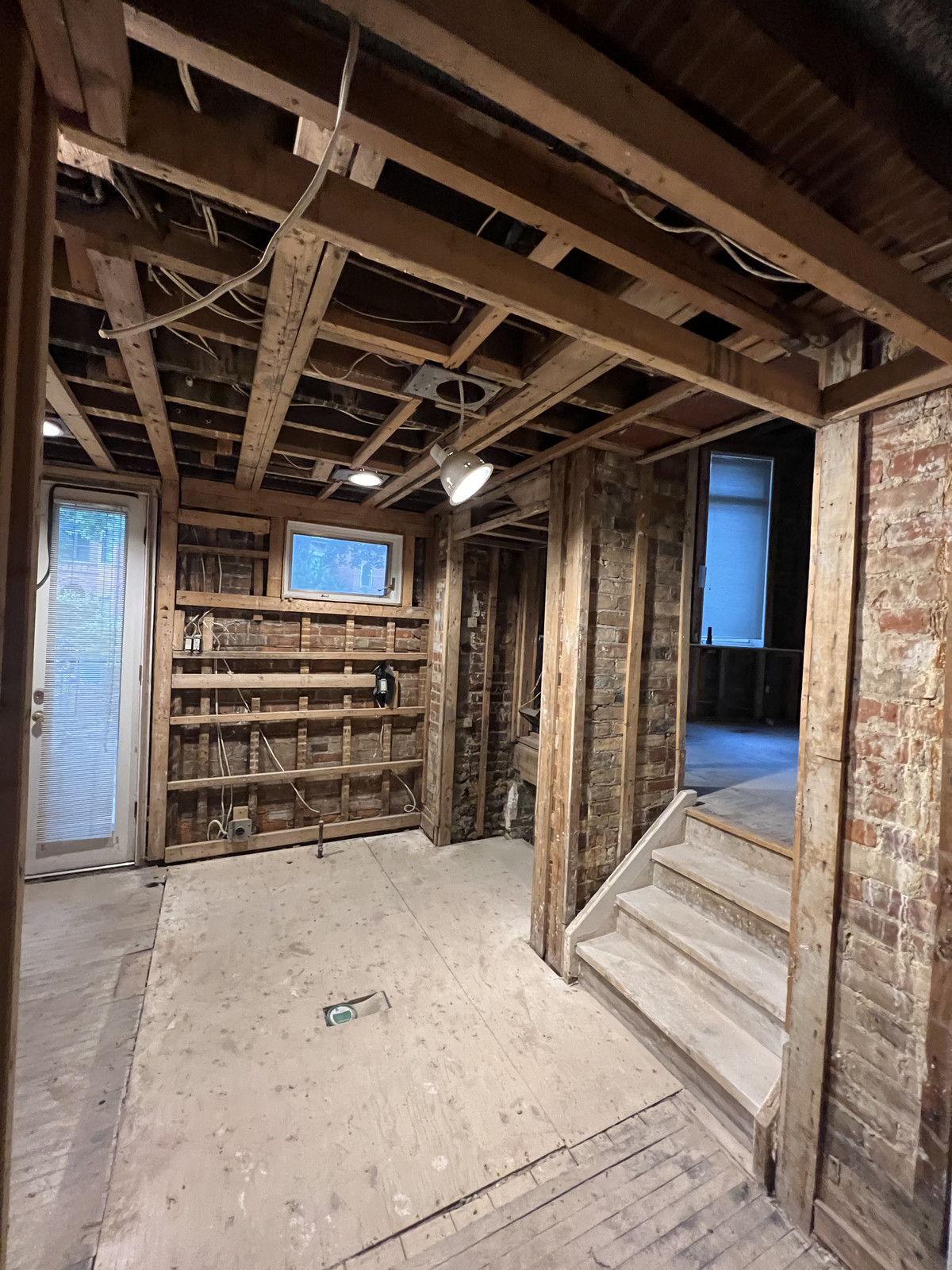
We also review the site. For a renovation that means looking at the existing conditions — structure, plumbing, electrical, ceiling heights, anything that limits or opens up what is possible. As a full-service firm, we are already thinking about how the eventual construction will work, not only how the space will look.
What you do
- Share your goals, lifestyle, timeline, and a budget range.
- Walk us through the space and what frustrates you about it.
- Gather any reference images that speak to you.
What we deliver
- A site review and an assessment of what is realistic.
- A clear scope and a design agreement that sets out the work.
Rough timeline: one to three weeks, depending on how quickly we can get on site.
Stage 2: Concept and design development
With the goals clear, we start shaping the design. This is the creative phase: floor plans that rework how the space functions, an overall direction for mood and materials, and a palette that ties the rooms together. Where it helps you picture the result, we produce 3D views so the layout is easier to read than a flat plan.
Expect to give feedback here. The concept is a conversation, and a few rounds of refinement are normal. We would rather adjust a plan on paper than discover a problem on site. You can see how this thinking translates into finished spaces across our project portfolio.
What you do
- Review layouts and material direction, and tell us what resonates.
- Make decisions on the big moves so we can build on them.
What we deliver
- Proposed floor plans and space planning.
- A mood and material direction, with 3D views where they help.
Rough timeline: two to five weeks, longer for larger homes.
Stage 3: Detailed design and drawings
Once the concept is approved, we develop it into the documents that a contractor and the city can actually build from. These are the construction drawings and specifications — dimensions, elevations, electrical and lighting plans, finishes, and the detail that removes guesswork on site.
This stage is less visible to you but it is where the project becomes real. Good drawings are the difference between a build that runs smoothly and one full of costly questions. Principal designer Kookdo Kim is NCIDQ-certified, and our drawings reflect that level of rigour. You can read more about our team on our about us page.
What you do
- Confirm final layouts and key specifications.
- Approve the documents before they move to pricing.
What we deliver
- A complete set of construction drawings.
- Written specifications for finishes, fixtures, and fittings.
Rough timeline: two to four weeks. Permit drawings, where required, add time on the city’s schedule, not ours.
Stage 4: Procurement and shopping
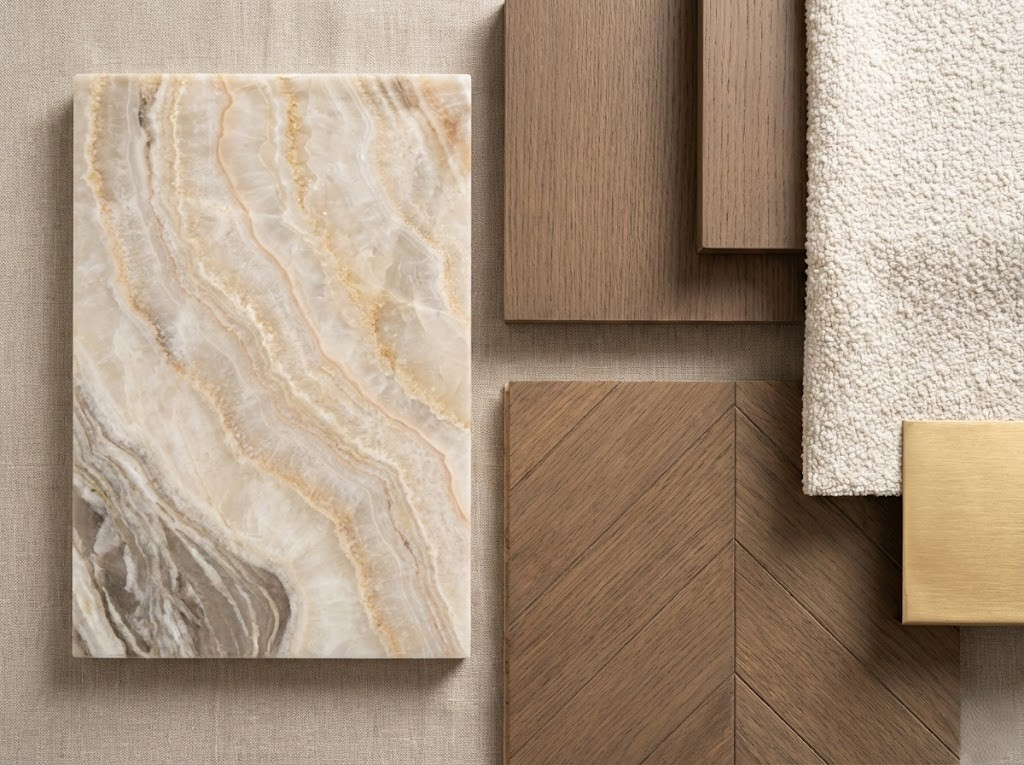
Now we source the pieces that bring the design to life — tile, stone, plumbing fixtures, lighting, cabinetry hardware, and furnishings. This is one of the most enjoyable stages, but it is also where lead times matter most. Some items ship in days; others, particularly custom or imported pieces, can take many weeks.
We track these timelines so the right materials are on site when each trade needs them. Ordering late is one of the most common reasons a renovation stalls, and it is avoidable with planning.
What you do
- Approve selections and sign off on final choices.
- Make deposits on long-lead items promptly to protect the schedule.
What we deliver
- Selections that fit the design and the budget.
- A procurement schedule that accounts for lead times.
Rough timeline: ongoing, but the long-lead items should be ordered early so they do not hold up the build.
Stage 5: Pricing and planning
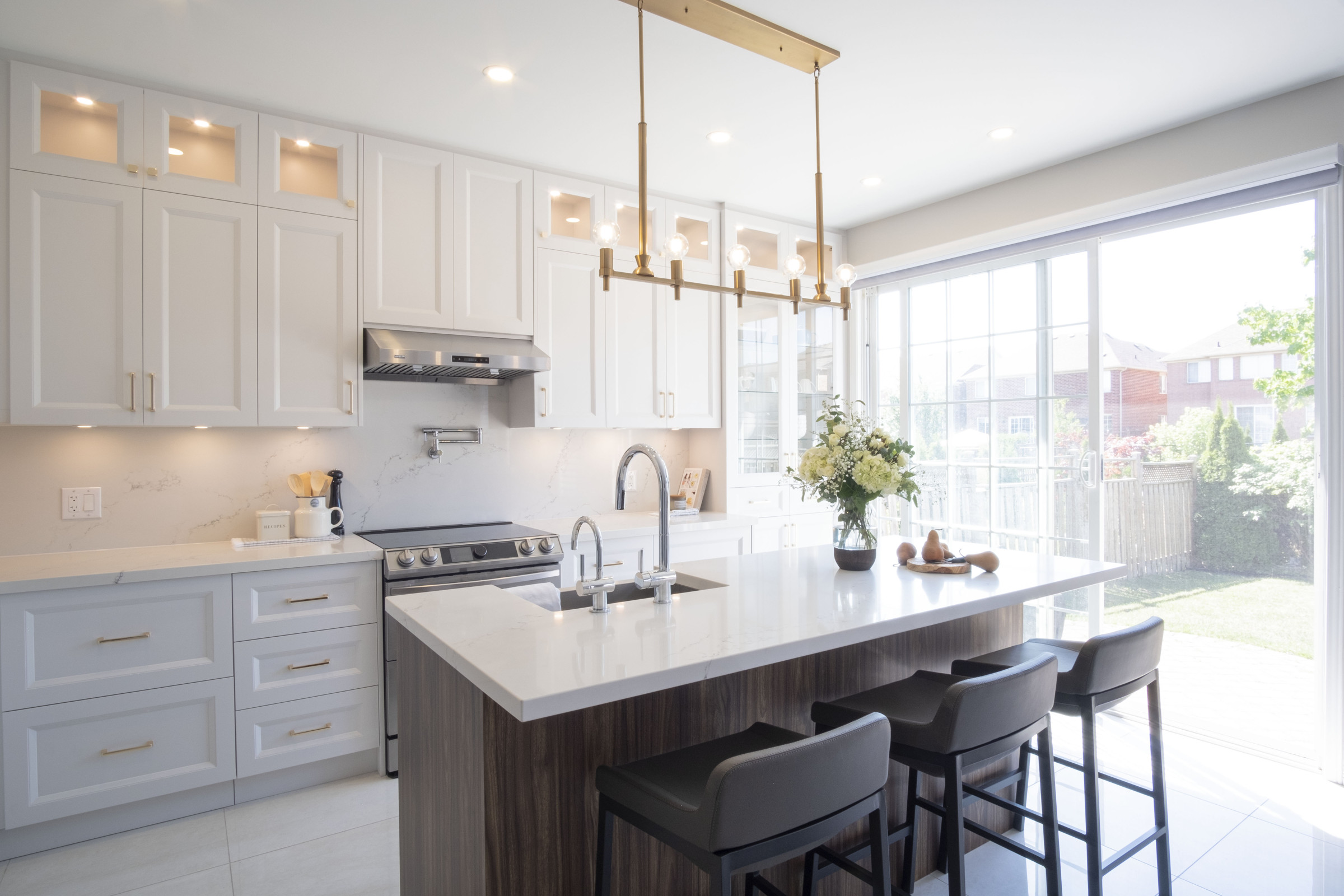
With drawings and selections settled, we price the work and build the plan to execute it. This means defining the full scope, lining up the trades, and setting a realistic construction schedule. Because the design and the documents are already complete, the pricing rests on real decisions rather than placeholders, which makes it far more accurate.
If the numbers come back higher than expected, this is the moment to adjust — before anyone picks up a tool. We would rather refine scope here than discover a budget problem mid-build.
What you do
- Review the pricing and the proposed schedule.
- Make any final scope decisions and give the go-ahead to build.
What we deliver
- A detailed scope of work and construction pricing.
- A schedule with the sequence of trades.
Rough timeline: one to three weeks.
Stage 6: Construction and project management
This is where the design is built, and where having one firm carry the project through pays off. Because we handle design, drawings, and construction management, you have a single point of contact rather than a designer and a contractor pointing at each other when something needs a decision. We coordinate the trades, keep the work aligned with the drawings, and solve the problems that come up on every site.

You stay informed without having to manage anything yourself. When a question arises on site, it comes to us, and we answer it against the design intent we set out together. This is also the heart of what makes working with a full-service designer different from hiring a contractor alone.
What you do
- Stay available for the occasional decision that needs your input.
- Let the schedule and the budget guide any changes along the way.
What we deliver
- On-site coordination of all trades.
- Regular updates and a single point of contact for the whole build.
Rough timeline: highly variable — a few weeks for one room, several months for a full home.
Stage 7: Reveal and completion
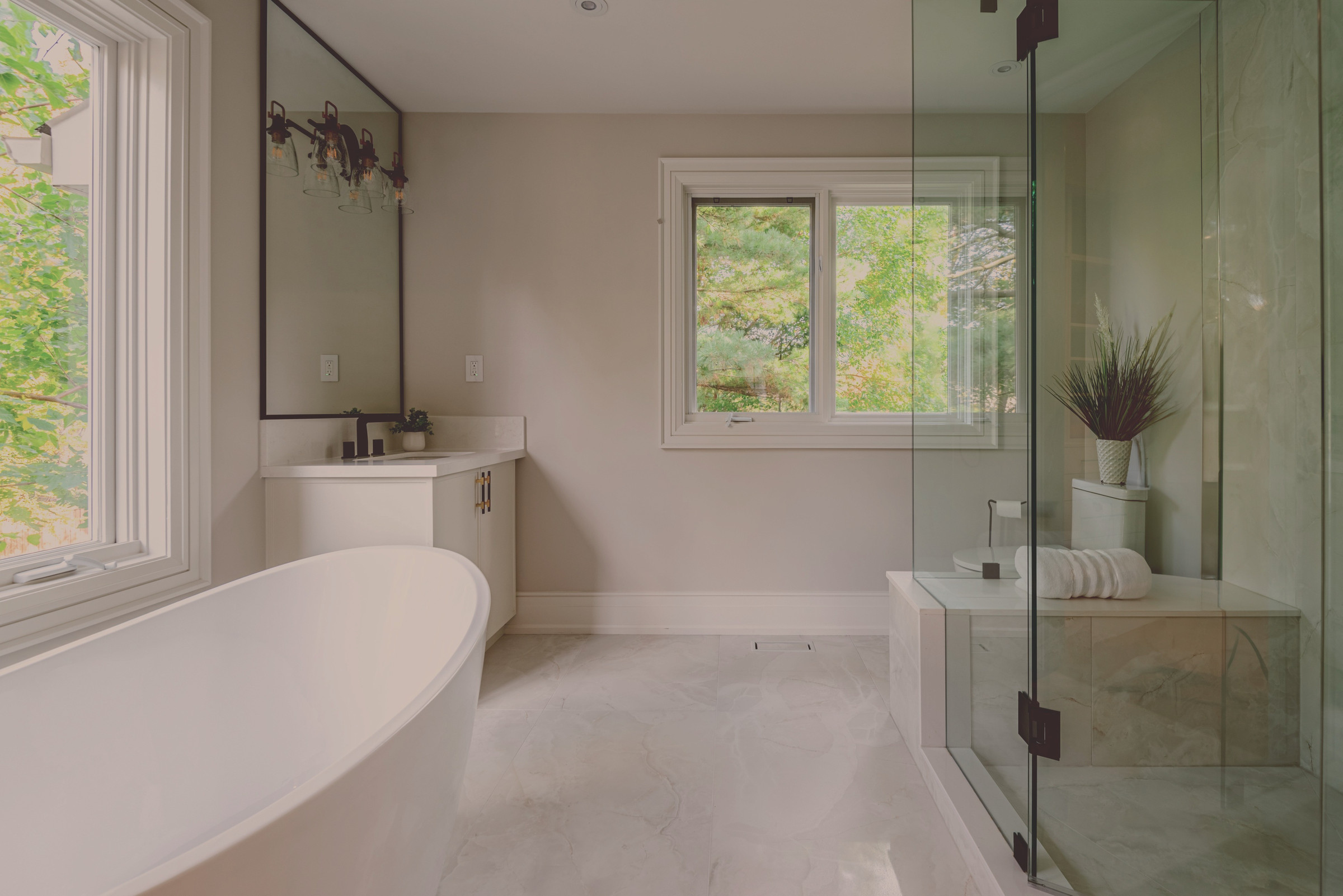
At the end we walk the finished space with you, work through any final touch-ups, and hand it over. We check the details that are easy to overlook, confirm everything functions as intended, and make sure the result matches what we set out to build together. The goal is a space that works the way you live, not only one that photographs well.
What you do
- Walk the space with us and flag anything that needs attention.
- Move back in and live with the design.
What we deliver
- A completed space and a final walkthrough.
- Any remaining touch-ups resolved.
How design fees usually work
Fee structures vary across the industry, and there is no single right model. Some firms charge a flat design fee for a defined scope, some bill hourly, and some work on a percentage of the project cost. Many, including us, combine approaches depending on the project. The design fee covers the creative and technical work — the planning, the drawings, and the selections — and is separate from the cost of construction and the materials themselves.
We do not quote firm numbers before we understand the scope, because an honest figure depends on the size and complexity of the work. What we can promise is a clear agreement that sets out what is included before anything begins, so there are no surprises about what the fee covers.
Frequently asked questions
How long does the whole process take?
From first conversation to finished space, a focused single-room renovation might run a few months, while a full-home project can take the better part of a year or more. The design stages are usually faster than the construction stage, and lead times on materials often set the pace more than the design work does.
Do I need to have my whole budget figured out before we start?
No, but you do need a comfortable range. A realistic budget range lets us design toward something achievable from the start, rather than producing a beautiful plan you cannot build. We would always rather know the real number early.
Can I bring my own contractor?
Some clients do, and we can produce design and drawings as a standalone service. That said, much of the value of working with us comes from carrying the project through construction ourselves, with one team responsible for both the design and the build. It removes the gaps where things usually go wrong.
What if I only need help with one room?
That is completely normal. The process scales down — the stages are the same, they simply move faster. A single kitchen or bathroom follows the same path from discovery through to reveal.
If you are considering a renovation anywhere in Mississauga, Oakville, Burlington, or the wider GTA and want to understand how the process would work for your home, contact us to start the conversation.
See the same thinking laid out stage by stage in our process.
See the process carried through end to end in Mona, a custom home in Port Credit.
Are you ready to renovate?
A 3-minute check that shows where your budget, scope and timing stand — before you spend a dollar.
Ready to start?
Recent Studio Kimi projects
A few recent Studio Kimi renovations across the GTA:
- Mona — whole-home new build, Port Credit
- Duncan — design & build, Oakville
- Maple Grove — whole-home renovation, Oakville
- Erin Mills — kitchen & bathroom renovation, Mississauga
- Sandwell — interior design, Oakville
- Orleans — whole-home renovation, Mississauga
If you are still deciding whether you need a designer at all, start with what an interior designer actually does.