
Permits & Planning · Studio Kimi Journal
One of the first questions we hear on a renovation is whether it needs a permit. The honest answer is that it depends on the work, and the rules are easier to follow once you understand the general logic behind them. This guide walks through what typically requires a building permit in Mississauga, what usually does not, and how the process works at a high level.
A note before we begin: requirements vary by project and change over time. Treat everything below as general guidance, not a ruling on your specific renovation. The City of Mississauga Building Division and a qualified professional are the ones who confirm what your project actually needs.
What a renovation permit is, and why it matters
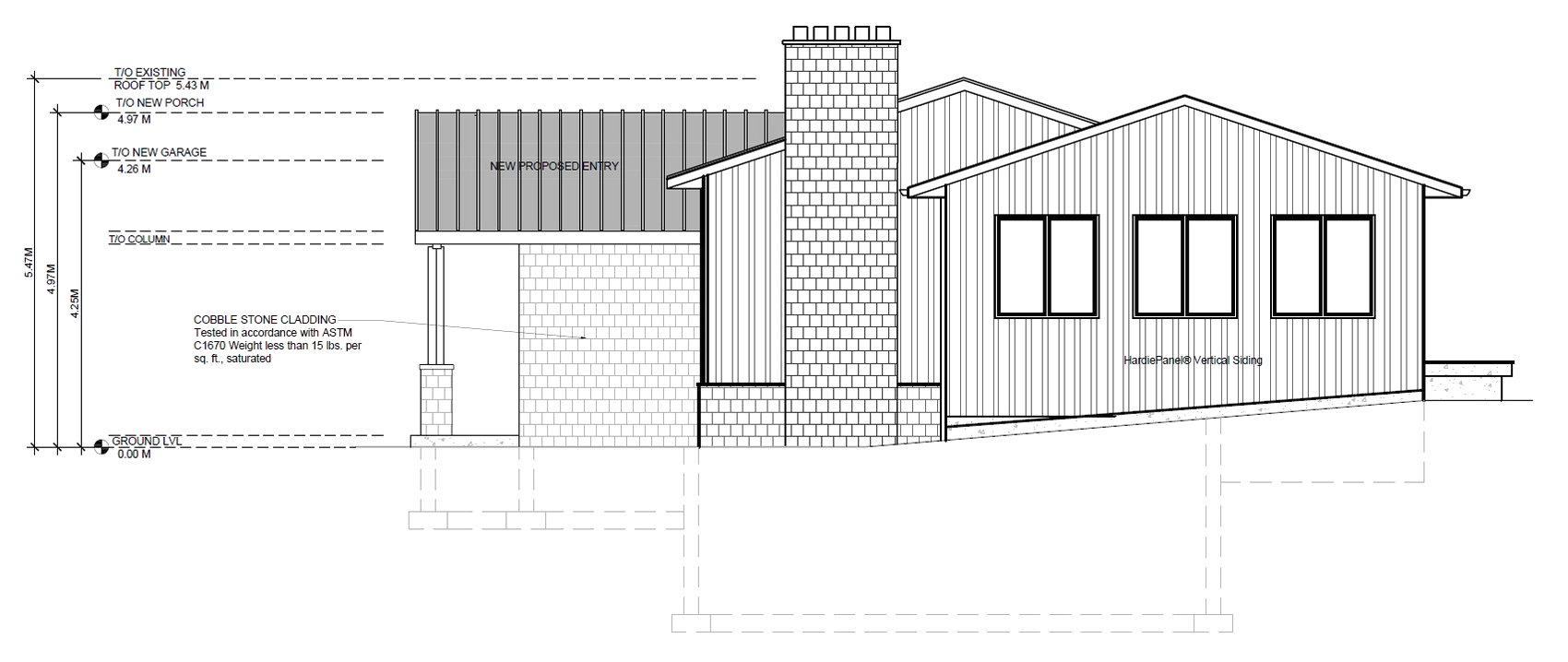
A building permit is the City’s formal approval to carry out certain work, confirming that your plans meet the Ontario Building Code and local requirements. It is not a tax or a formality for its own sake. The permit process exists so that an inspector can verify the work is safe, both while it happens and for everyone who lives in the home afterward.
Permits matter for practical reasons beyond safety:
- Inspections. A permit brings inspections at key stages, which catch problems before they are hidden behind drywall.
- Resale. Unpermitted work can surface during a sale and complicate or delay closing.
- Insurance. In some cases, a claim tied to unpermitted work can be harder to resolve.
- Avoiding stop-work orders. Work done without a required permit can be ordered to stop, and you may be asked to uncover or redo finished work.
Renovations that generally require a permit
As a general rule, the more your project affects the structure, safety systems, or major mechanical and electrical systems of the home, the more likely it needs a permit. The following typically require a building permit, though your municipality will confirm:
- Structural changes — removing or altering a load-bearing wall, adding or enlarging openings, or changing how the home carries its weight.
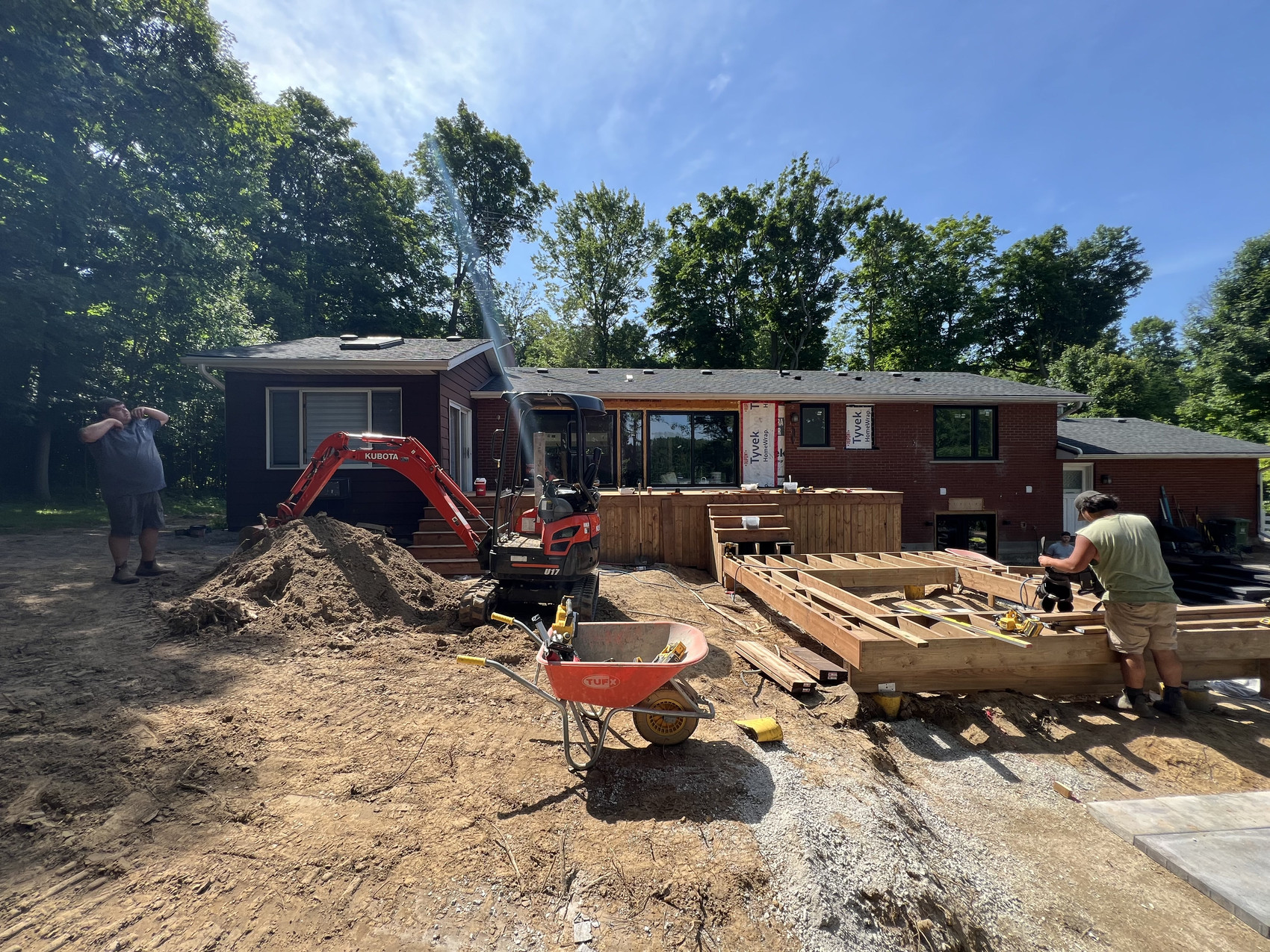
- Additions — adding floor area, a second storey, or a sunroom, and most exterior structural changes.
- New or relocated plumbing — moving a kitchen or bathroom, or adding fixtures where none existed.
- New or relocated electrical of a structural nature — note that electrical work in Ontario is generally governed separately by the Electrical Safety Authority, so confirm what approvals apply.
- Finishing a basement — especially when you add bedrooms, which usually trigger requirements around egress windows, ceiling heights, and fire separation.
- Decks above a certain height — raised decks typically need a permit, while very low, ground-level platforms often do not.
- Creating a second unit — a basement or garden suite involves its own set of requirements.
This list is not exhaustive. If your renovation touches structure, water, or the way the home is laid out, assume a permit may be needed and confirm before you start.
Renovations that usually do not require a permit
Cosmetic and like-for-like work generally does not require a building permit. In most cases, the following are fine to proceed with, but it is always worth a quick check:
- Painting and wallpaper.
- New flooring over an existing subfloor.
- Replacing cabinets or a countertop in the same layout, without moving plumbing.
- Swapping a faucet, sink, or light fixture for a similar one in the same location.
- Most minor, non-structural finishing and trim work.
The line to watch is the moment cosmetic work becomes structural or starts to move services. A new vanity in the same spot is usually cosmetic; moving the vanity to the opposite wall means moving the plumbing, which changes the answer. When you are unsure which side of that line you are on, confirm with the City. That distinction shapes scope more than most people expect — at Glengarry, an ensuite and basement bathroom in Mississauga, both rooms were rebuilt rather than refreshed.
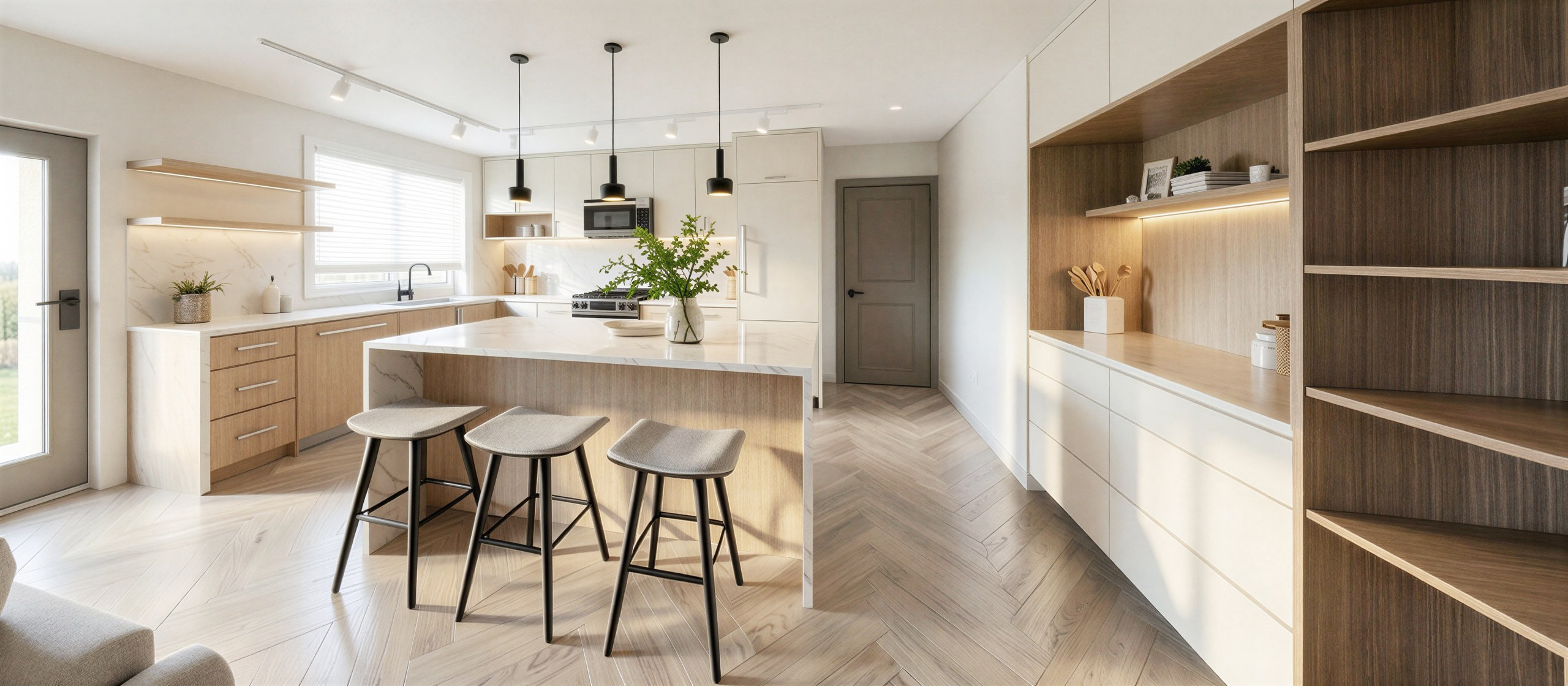
What is the building permit process in Mississauga?
The building permit process in Mississauga starts with an application and drawings submitted to the City of Mississauga’s Building Division, which reviews the work against the Ontario Building Code and local zoning before issuing the permit, then inspections follow at set stages until a final inspection closes it out. A City of Mississauga basement permit is generally required when the renovation changes plumbing, adds a bedroom, or creates a legal basement apartment; cosmetic work like flooring and paint typically does not need one. The renovation permit process below walks through the same steps in more detail.
Who pulls the permit, and how the process generally works
The property owner is ultimately responsible for the permit, but in practice it is often handled by the professional managing the project. On our projects, we coordinate it so you are not navigating City forms on your own. At a high level, the process generally follows these steps:
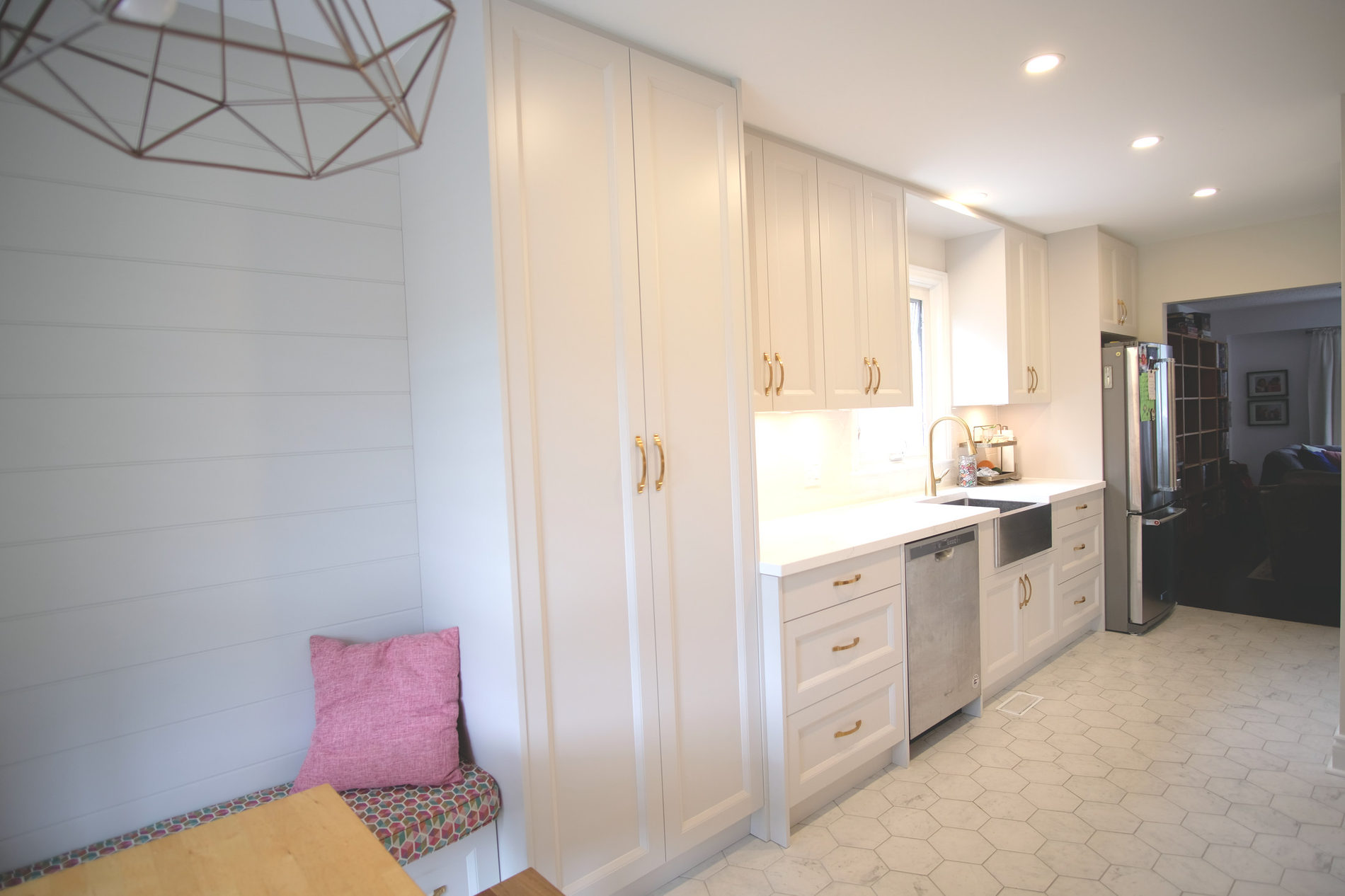
- Application and drawings. The application is prepared and submitted with the drawings the City needs to review the work.
- Review. The Building Division reviews the application against the Building Code and local requirements, and may ask for revisions.
- Permit issued. Once approved, the permit is issued and construction can begin.
- Inspections. Inspections happen at set stages during the work, and a final inspection closes the permit out.
Timelines, fees, and the exact drawings required vary by project and by municipality, so we do not quote specifics here. Your municipality will confirm what applies to your renovation.
How Studio Kimi handles permits for you
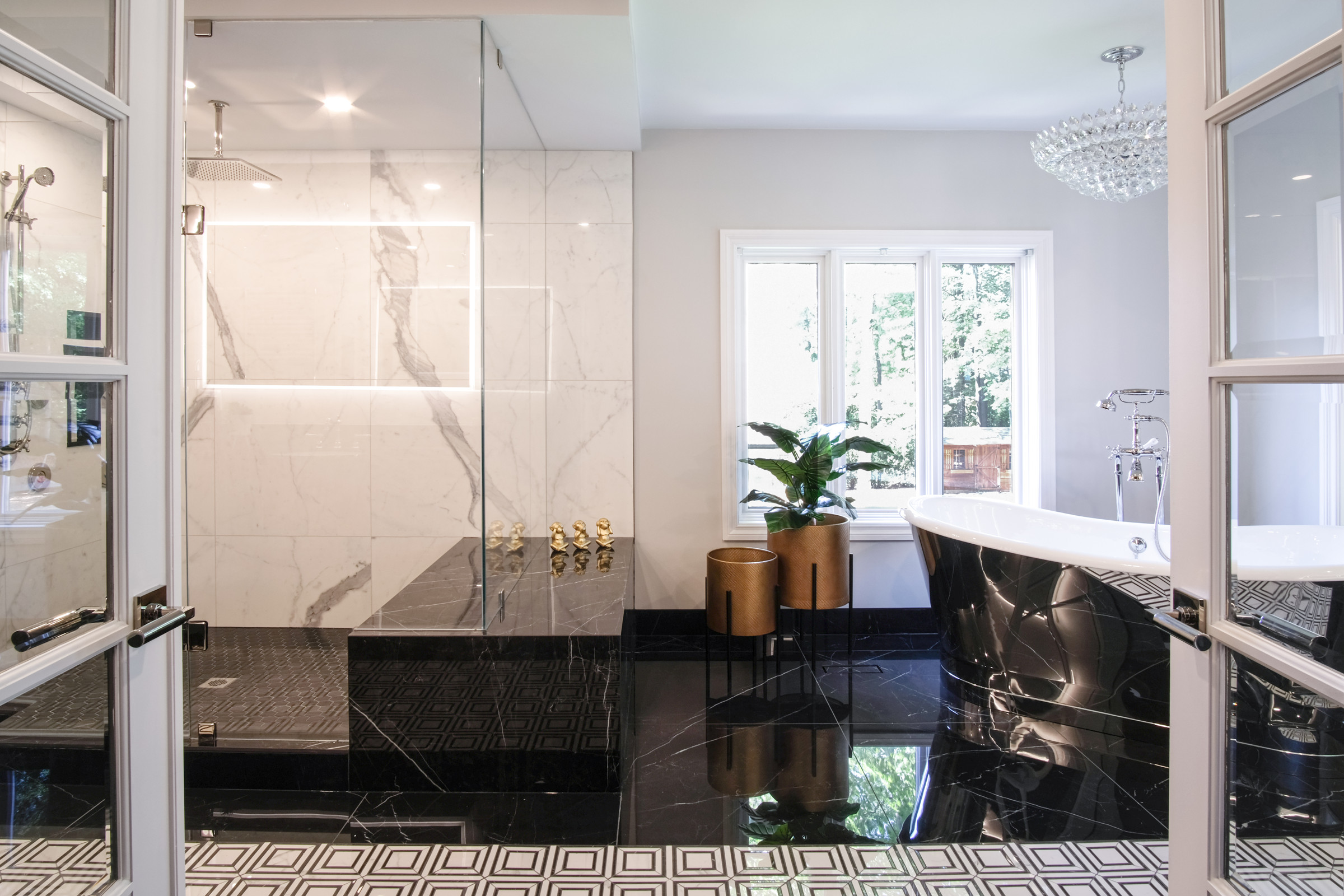
Permits are one of the reasons renovations feel overwhelming before they begin. As part of our project management service, we handle the permit process so you do not have to learn it. That means preparing the drawings, coordinating with the City of Mississauga Building Division, and scheduling inspections at the right stages, all alongside the design and construction work.
Because we are a design-led firm, the drawings that go to the City are the same considered drawings we use to build the room you actually want. You can see how that approach reads across our completed projects, and learn more about the way we work in interior design in Mississauga. If you are still mapping out budget, our guide to what a home renovation costs in Mississauga in 2026 is a useful companion to this one.
Frequently asked questions
Do I need a permit to renovate my bathroom?
It depends on the scope. A like-for-like refresh that keeps every fixture in place usually does not need a building permit, while moving the plumbing or relocating fixtures generally does. Because most full bathroom renovations involve some change, it is worth confirming with the City before you start.
What happens if I renovate without a required permit?
Work done without a required permit can be subject to a stop-work order, and you may be asked to uncover or redo finished work so it can be inspected. It can also create complications at resale or with insurance. Where a permit is required, it is far simpler to obtain it up front.
How long does a renovation permit take in Mississauga?
Timelines vary with the project and the City’s current workload, so we do not quote a number that could be wrong. The City of Mississauga Building Division can give you a current estimate for the type of work you are planning, and we factor realistic timing into the project schedule.
Can Studio Kimi handle the permit for me?
Yes. We coordinate permits and drawings as part of our project management service, including preparing the application, working with the City, and arranging inspections. You stay informed without having to manage the paperwork yourself.
If you are planning a renovation in Mississauga, Oakville, Burlington, or the wider GTA and want a clear path through permits, drawings, and construction, contact us and we will walk you through what your project is likely to need.
Are you ready to renovate?
A 3-minute check that shows where your budget, scope and timing stand — before you spend a dollar.
Ready to start?
Recent Studio Kimi projects
A few of the Mississauga and Oakville homes we have designed and renovated:
- Mona — whole-home new build, Port Credit
- Duncan — design & build, Oakville
- Maple Grove — whole-home renovation, Oakville
- Erin Mills — kitchen & bathroom renovation, Mississauga
- Sandwell — interior design, Oakville
- Orleans — whole-home renovation, Mississauga